Our Commitment
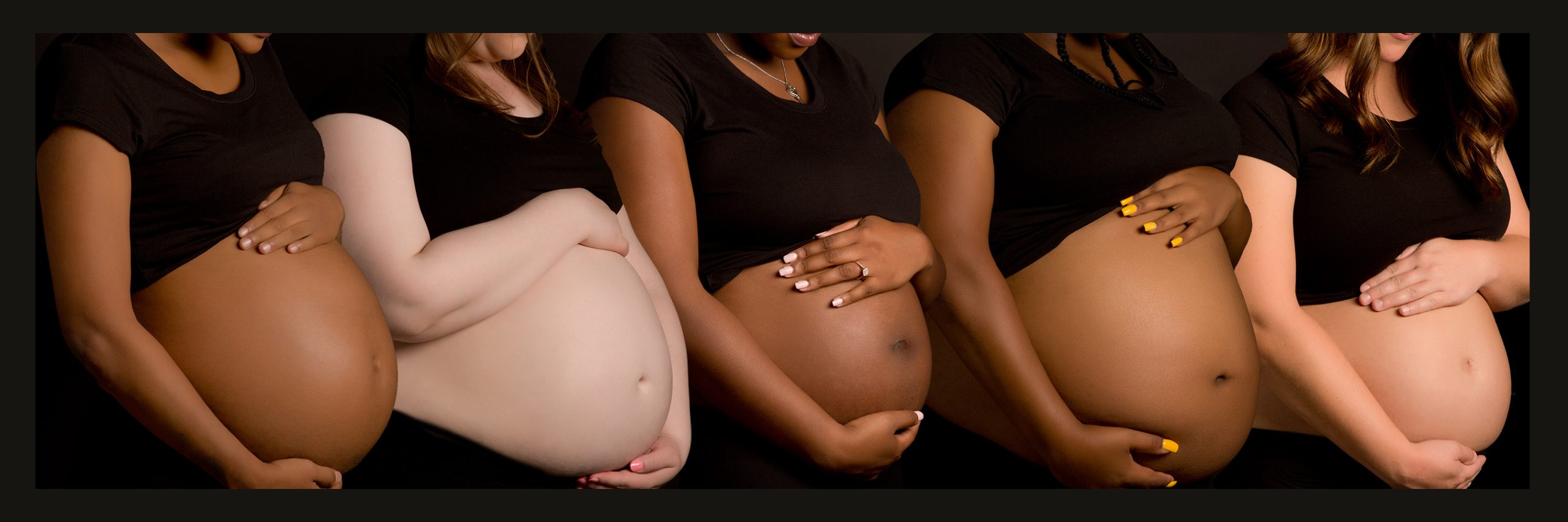
We’re working to reach the expectant parents most at risk of experiencing stillbirth. Our ultimate goal is to make meaningful, sustainable, and systemic change that leads to a world where the impacts of age, ability, access to healthcare, ethnicity, geography, race or socioeconomic status are no longer predictors of stillbirth.
Reaching Those Most at Risk of Losing a Baby to Stillbirth
Around 20,000 babies are born still in the U.S. each year. This is approximately the same number of infants who die during the first year of life.
Disparities in stillbirth outcomes persist, and data shows that a disproportionate number of babies are born still to Native Hawaiian or Other Pacific Islander, Black and American Indian or Alaska Native families. Pregnant women in some age groups, geographic locations and those expecting multiples also face an increased risk of stillbirth.
According to the CDC:
- 1 in 183 of all births in the U.S. ends in stillbirth (most recent 3-year average, 2022-2024).
- Births to Native Hawaiian and Other Pacific Islander women have a 1 in 98 chance of ending in stillbirth.
- Births to Black women have a 1 in 100 chance of ending in stillbirth.
- Births to American Indian and Alaska Native women have a 1 in 130 chance of ending in stillbirth.
- Births to Hispanic women have a 1 in 216 chance of ending in stillbirth.
- Births to White women have a 1 in 220 chance of ending in stillbirth.
- Births to Asian women have a 1 in 257 chance of ending in stillbirth.
- Births to women aged 45+ have a 1 in 93 chance of ending in stillbirth.
- Births to women ages 40-44 have a 1 in 123 chance of ending in stillbirth.
- Births to women ages 15-19 have a 1 in 135 chance of ending in stillbirth.
- The risk of stillbirth for women who smoke in pregnancy is 1 in 97.
- The risk of stillbirth is two times higher for twin births than for singleton births.
- Stillbirth rates for triplet or higher-order deliveries are nearly four times higher than for singletons.
- Stillbirth is more common in the South than in other regions of the United States. [Source]
What factors contribute to stillbirth?
Research from the American College of Obstetrics and Gynecology (ACOG) shows there are several contributing factors to the racial health disparities in stillbirth. Researchers point to the following as causes for the differences:
- Epigenetics explains how early experiences, both positive and negative, can have lifelong impacts. This type of scientific research shows how environmental influences can affect the expression of genes. [Source]
- Expectant parents of color are more predisposed to conditions like gestational diabetes and preeclampsia.
- Lack of access to healthcare can impact early concerns or diagnosis of conditions and treatment.
- Rural Americans are at greater risk for poor outcomes. According to a 2024 March of Dimes report, over 35% of U.S. counties lack birthing facilities or obstetric clinicians, affecting over 2.3 million women of reproductive age. [Source]
- Socioeconomic barriers.
- Education is NOT a determining factor. [Source]
Five Ways to Help Improve Birth Outcomes
Many moms who have experienced the tragedy of stillbirth report a complete lack of awareness that stillbirth was a possibility or that a change in their baby’s movement was an important issue to report to their provider. By remaining SILENT about the U.S. stillbirth crisis, we are actually contributing to the occurrence of stillbirths.
Providers would never consider hiding the risk factors for heart disease or the symptoms of a heart attack from patients. Knowledge about possible health outcomes can help prevent larger health tragedies. Educating on stillbirth IS preventative medicine.
Here are five ways you can help improve the conversation.
1. Share information equally: Avoid assumptions and provide all expectant parents the same information and interaction.
-
- Did You Know? Only 12% of U.S. adults have the health literacy proficiency to perform complex health tasks.
- Higher education does not necessitate high health literacy. Even patients with high levels of literacy have difficulty understanding health information and services.
2. Listen and learn: Ask strategic and open-ended questions about kick counting to help you assess what the individual patient understands, feels, and desires.
- Avoid using close-ended questions, which could prevent conversation and actually create confusion.
- Example: “Is your baby moving?”
- Instead, ask open-ended questions allows you to learn what the parent knows and understands.
- Examples: “Tell me about your baby’s movement patterns.”
- “How is tracking your baby’s movements going?”
- “Would you be able to talk to me about what your Count the Kicks graph means to you?”
- “What questions do you have about your baby’s movements?”
3. Be clear and concise: Avoid using long or complex explanations and medical terminology. Consider using everyday vocabulary instead.
- Did You Know? Count the Kicks educational materials are parent-focused, empowering, and easy to understand.
4. Be honest: Share facts while still practicing empathy and compassion. Pregnancy is full of risks that we educate parents about, and stillbirth should not be the exception.
- Educating your patients on kick counting and encouraging them to speak up can help them feel more comfortable contacting their provider if they ever have a concern.
5. Check for understanding: Before ending the conversation, ask the individual to explain what they understood back to you, then ask if they have further questions.
- Rewording information can help clarify and improve patient understanding.
- You can enhance understanding by providing visuals like the Count the Kicks brochure and app.