
Ambassadors
Courageous Advocates
Meet the powerful change makers turning their grief into fuel, shame into hope, and energy into action.
Advocates for Change
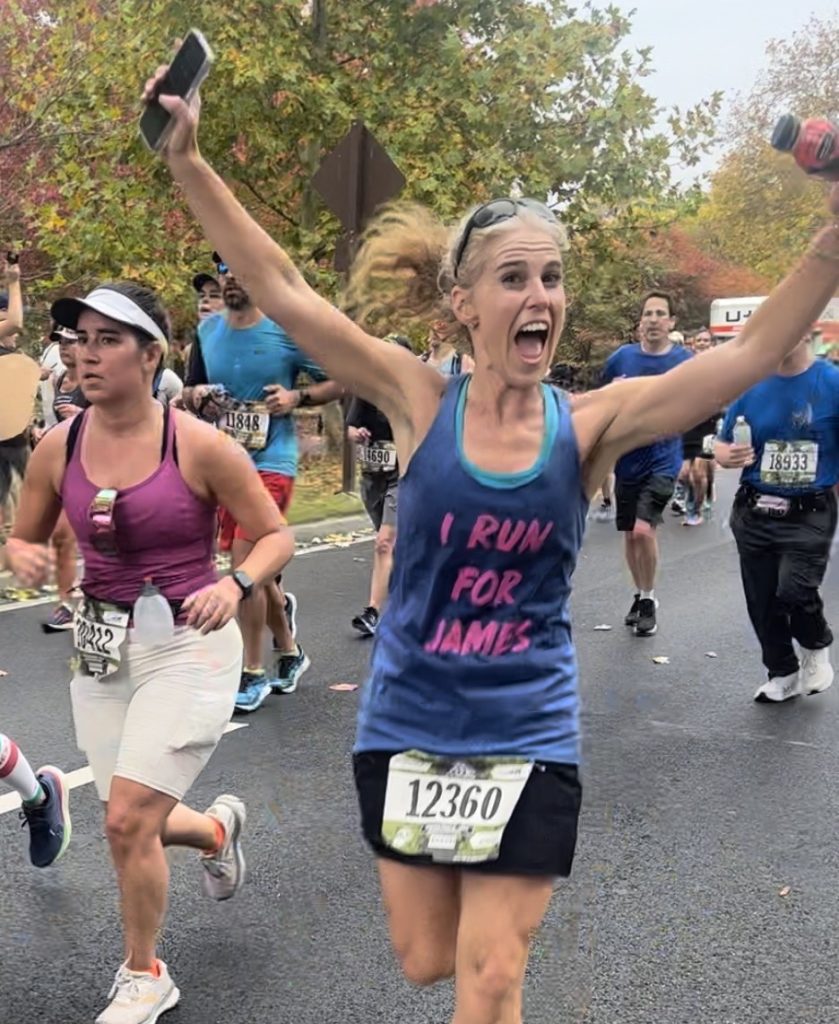
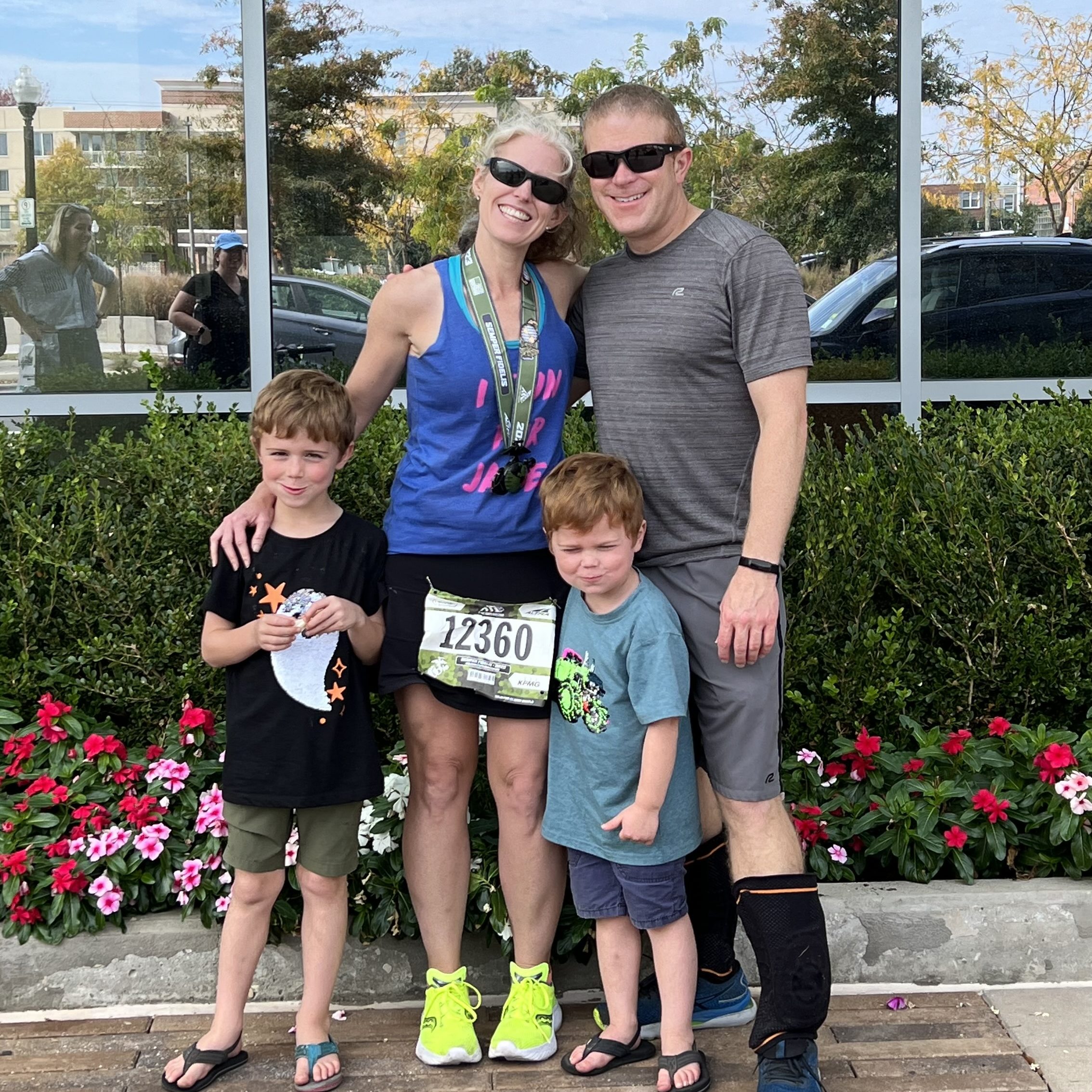
Kathleen McCoy is a Chicago-area stillbirth prevention advocate who is working in honor of her son James. Last year Kathleen and her husband Adam learned James’ heart had stopped beating when they went in for their scheduled C-section. After James was born still, Kathleen turned to running to channel some of her grief into something positive. She found that running helped, and decided to start training for her third marathon, which she completed in October in honor of James.
She chose the Marine Corps Marathon in Washington, D.C. because it holds a special place in her heart. Her beloved son James is named after her father James, a U.S. Marine Veteran who is buried at Arlington National Cemetery, where the marathon ended.
Kathleen decided to raise funds for Healthy Birth Day, Inc. in conjunction with the marathon, and so far her fundraising efforts have contributed more than $14,000 to help us further our mission to save babies.
Kathleen shares more about running the marathon in honor of James, and her hopes for the future of stillbirth prevention.
What made you decide to run a marathon and ask friends and family to support you?
Ever since James passed, I knew I wanted to do something where I felt like I was making a difference – where I could channel some of the anger and negativity into something positive. The marathon and fundraising gave me the space to do that!
Fundraising helped me with my determination to complete the long runs and marathon, knowing I wasn’t just doing it for me but for a greater good. Fundraising for the marathon also allowed me to feel comfortable sharing my story on a deeper level, to raise awareness about the stillbirth crisis, to raise awareness about Count the Kicks, and to continue to have my son’s legacy live on. Ever since I sent out the fundraising email, multiple people have told me that they have told others about Healthy Birth Day, Inc. and Count the Kicks, which I am so grateful for!
Why did you choose to support Healthy Birth Day, Inc.?
Healthy Birth Day, Inc. (HBD) has been instrumental in my healing. I have such gratitude for HBD. Being a part of the advocacy work has allowed me to have space to tell my son’s story – to have his legacy continue on. The advocacy trip to Washington, D.C., helped me personally feel like I was contributing to a greater good – and that something good could come from something so painful.
After the advocacy trip, I knew HBD is who I wanted to fundraise for because HBD IS making a difference for people like me. HBD is talking about stillbirths. HBD is advocating for families like me. And the people at HBD care and want to support people like me.
I find the passion that the team at HBD has inspiring and incredibly moving. I believe the work that HBD does saves lives and will prevent future families from experiencing the heartbreak my family has – that is so powerful to me personally!
How has running helped in your grief process?
Being physically active has always been something important to my mental health, but after I lost James, running became that much more important – it was my escape. Running has been a safe space for me to process and reflect on everything in a safe space.
Some days, especially in the beginning, when I was feeling a lot of negative thoughts, I would go for a run. During the run, if I felt myself becoming fixated on negative thinking, I would take off and run faster! I would come home exhausted, but with a lighter mind and body.
Running has helped me to feel stronger both inside and out. Running has helped to ground me.
What do you hope happens with stillbirth prevention in this country?
I hope that people continue to talk about stillbirths and continue to elevate this crisis so that fewer families experience what mine did. My hope is that providers start talking with patients more about fetal movement monitoring and incorporating more preventive measures into prenatal care so that less families experience this heartbreak. Also, I hope that by talking about stillbirths more, families who have experienced a stillbirth or who do in the future, can feel less alone.
What is the total amount donated to Healthy Birth Day, Inc.?
My friends and family donated a total of $7,000 and Microsoft (thanks to my sister) matched it dollar for dollar, bringing the total to $14,000.
Kathleen and her husband Adam Wilson shared their story with WGN Chicago. Learn more about their advocacy efforts in honor of their son James.
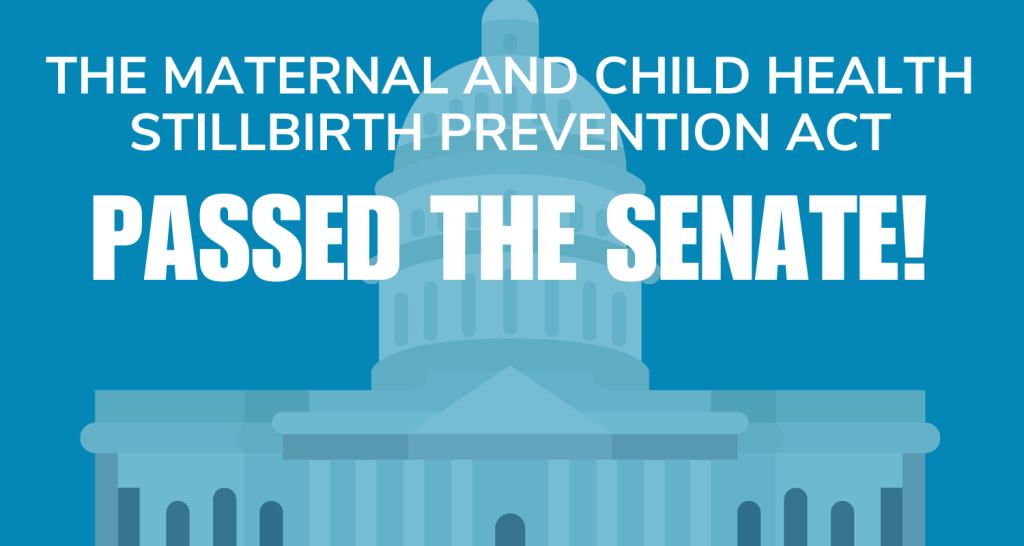
We are thrilled to let you know the Maternal and Child Health Stillbirth Prevention Act has passed in the United States Senate by unanimous consent. Senate File 2231 passed the Senate via hotline Saturday, Sept. 30, 2023. A huge THANK YOU to Senator Jeff Merkley (D-Oregon) and Senator Bill Cassidy (R-Louisiana) for leading this bill in the Senate and helping to ensure this bipartisan stillbirth prevention legislation moves onto the House of Representatives for consideration.
We would also like to thank all of the cosponsors of the bill in the Senate, including:
This tremendous step would not have been possible without the courageous advocacy of the 50 stillbirth prevention advocates from 21 states who traveled to Washington, D.C. with us for National Stillbirth Prevention Day in September, and the 25 advocates who joined us in May. Collectively, this group of advocates attended 160+ meetings to discuss stillbirth prevention legislation with members of Congress and their staff. With their help and voices of thousands of other advocates like you, the stillbirth crisis is finally getting the attention it deserves!
From our Founders, Ambassadors, fellow stillbirth prevention organizations, and the entire team at Healthy Birth Day, Inc., we would like to thank each and every person who has taken action to advocate for stillbirth prevention legislation in the 118th Congress. This tremendous progress would not be possible without YOU.
The Maternal and Child Health Stillbirth Prevention Act is still under consideration in the House of Representatives. The companion legislation to the Senate bill is H.R.4581, and it was introduced in the House by Rep. Ashley Hinson (R-Iowa) and Rep. Alma Adams (D-North Carolina) on July 12, 2023. The bill currently has 27 cosponsors in the House of Representatives.

We have created a petition to help share your story with members of Congress. This petition will help legislators better understand why their support for both the Stillbirth Health Improvement and Education (SHINE) for Autumn Act (H.R. 5012/S. 2647) and the Maternal and Child Health Stillbirth Prevention Act (H.R. 4581/S. 2231) is crucial.
Please take a few minutes to complete the petition and share why stillbirth prevention matters to you!
Thank you for helping us reach this milestone in the Senate and for your continued support to ensure we can push BOTH pieces of stillbirth prevention legislation through the finish line in Congress! Together we are creating systemic change for families in the U.S.

It was a Saturday morning when I noticed our son’s movements had changed. My husband and I were getting ready to leave to purchase a more family-friendly car. I drank orange juice. I drank ice water. I laid on my side. I Googled. After feeling his strong kicks for weeks, I dreamed he would be a soccer star, but suddenly his movements had become slow and weak.
Instead of calling my provider, I cried silently, brushed my feelings away as “just my anxiety,” and went shopping for a new car.
By Monday evening at 11:07 p.m., our son, Richard, was born. He had suffered a fetal maternal hemorrhage (when fetal blood cells pass into the mother’s bloodstream). The NICU team whisked him away, but it was too late. With my husband by his side, he died just an hour later.
For the last six years, I have replayed that final weekend in my mind. What should I have done differently? Would it have made a difference if I had called my doctor? What would my life look like now if I had spoken up?
When I became pregnant again, I vowed to no longer be silent. I could not save my son, but I could fight to have a safe delivery for my daughter. I recognized that, as her mother, I was her only voice.
Here is how I communicated effectively with my provider that made me feel comfortable and confident during pregnancy after loss.
My doctors were caught off guard when Richard died, so I wanted to make sure that a plan was in place for my next pregnancy. My husband and I had a preconception consultation with my Maternal Fetal Medicine (MFM) specialist to discuss my next pregnancy. He explained his role, how he would communicate with my OB, what kinds of monitoring that would take place, when the monitoring would occur and at what frequency, the potential complications, and the potential plans depending on how the pregnancy progressed. Before we even became pregnant again, I felt comfortable because I knew that everyone was prepared.
I knew that I would be anxious for the entire pregnancy — from the positive test to entering the OR for delivery. When I became pregnant again, I made these concerns clear to my provider. I wanted to be more vocal in my care this time.
With Richard, I worried too much about being an annoying patient or one that was bothering the doctors. With my daughter, I knew that I was her staunchest advocate, so I needed to speak up for both her and myself.
When I wanted clarification on test results, I called the office. When I questioned a new symptom, I called the office. When I worried about my daughter’s movement, I called the office. I did not hesitate, and I was persistent.
Since I was seeing multiple doctors, I knew that I needed to keep a good record of my appointments and new information. In between appointments, I kept a running list on my phone of every question I thought of. If I didn’t do this, I would completely forget by the time I saw my provider.
At each appointment, I kept brief notes of new information. Although my doctors promised to communicate with one another, there were times when information was either miscommunicated or not sent at all. These were the times that I was thankful for my notes. I was able to ensure that everyone was on the same page.
Doctors are incredibly busy, and before losing Richard, I would allow my appointment to be rushed. I never wanted to inconvenience anyone. However, with my daughter, I ensured that every question I had was answered and every concern I had was addressed. I knew how valuable this time with my provider was, and I wanted to feel comfortable before leaving the office.
Unfortunately, I did not know about Count the Kicks with Richard. My MFM told me about the campaign and taught me how to use it to correctly track my daughter’s movement.
Since I was a high-risk pregnancy, I began counting kicks using the app at 26 weeks. I watched the graph of her movement develop each week. If her movement changed at all, I immediately went to the hospital for monitoring and called my doctor. Count the Kicks gave me a sense of confidence as I navigated pregnancy after loss. I could speak up for myself and use the app’s graph as evidence to support my claims.
Finally, the best piece of advice that I could give to anyone navigating pregnancy or pregnancy after loss is that you know your body best. You have the closest relationship with your baby, and if you have a concern, you should speak up! Using the Count the Kicks campaign and app can help you communicate effectively with your provider.
Editor’s Note: Research shows that fetal movement is best monitored without interventions like juice, candy, or drinking ice water.
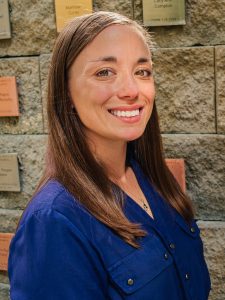
Author Bio: Jackie Mancinelli is a high school English and ESL teacher in New Jersey. She is the mother to two girls, ages 2 and 4, and a son, Richard, who passed away in 2016. She is the founder of Start Healing Together, an organization dedicated to supporting educators experiencing pregnancy loss and infertility. She is also a New Jersey Ambassador for Count the Kicks.
Courageous Advocates
Meet the powerful change makers turning their grief into fuel, shame into hope, and energy into action.
Advocates for Change
Courageous Advocates
Meet the powerful change makers turning their grief into fuel, shame into hope, and energy into action.
Advocates for Change
Debunking Myths About Baby's Movement in Pregnancy
Ambassador Amanda Duffy shares her personal experience with loss to debunk myths about baby's movement in pregnancy and share why kick counting is so important.
Read More
In college, one of my favorite tv shows to watch was “MythBusters.” I have always craved facts and have been generally curious about how things work. After watching an episode, I cataloged topics and facts into my brain. Never knowing when I’d need to access the information about random topics such as whether a snowman would melt faster with clothes on or off, but surely I would at some point in my life and I’d be prepared!
When I was pregnant with my first child the unsolicited advice was free flowing. At the time, I welcomed it. Thinking about becoming a parent was hard for me to wrap my head around. I had never done this before and when people who had parented gave me tips, I mentally cataloged them and used the tips readily as I proceeded through pregnancy and into early parenthood as a first time mom, much like I had done with those facts I had learned on MythBusters.
I took that advice from seasoned parents and medical professionals and held it close, knowing each of them knew more than me on the topics of growing and raising a child. I was a novice. It wasn’t until my second pregnancy that I learned I had been using myths to help keep my baby safe inside of me and the outcome was tragic.
This is when the “MythBusters” I had so eagerly used as a procrastination method in college became my reality. It wasn’t until my daughter was stillborn at term did I learn the cold hard truth of the importance of kick counting in the third trimester. I learned that oftentimes the first and sometimes only indicator that a baby is in distress is a change in their movement patterns.
Around 37 weeks, I noticed my daughter’s movements changing, becoming fewer and far between. I had been following the myth that babies slow down as they get ready to deliver. After the fact I learned this was false.
Babies don’t run out of room at the end of pregnancy. The types of movements may change (more jabs, fewer rolls), but babies should move up to and even during labor. If an expectant parent is monitoring their baby’s movements at the same time each day, it should take about the same amount of time to feel 10 movements.
Before 37 weeks my daughter was always really active, so I didn’t track movements, nor did I know how to. I didn’t think there was a need to track her movements because she was VERY active. I later learned that this was false.
Even active babies can experience distress, sometimes quickly and without other warning signs. Tracking your baby’s movement every day takes the guesswork out of knowing if a normally active baby has slowed down. Count the Kicks gives you real data to show your healthcare provider if you have a concern, thus lowering your anxiety about their movement patterns.
Although I was carrying extra amniotic fluid and had something called “polyhydramnios,” I was never considered high-risk, because of this I believed that I didn’t need to pay attention to her movements. I later learned that this was false.
ALL expectant parents should be educated on Count the Kicks and get to know what’s normal for their baby. Knowledge is power and knowledge can prevent preventable stillbirths in their tracks.
When I noticed my daughter’s movements change, I inquired about counting kicks and how to go about tracking. I was told “my baby should get 10 kicks in 2 hours.” I later learned that was false.
Every baby is different, and the recommendation to expect 10 kicks in 2 hours is outdated. Current research indicates expectant people should work to understand the normal amount of time it takes their baby to get to 10 movements each day.
The afternoon that my daughter was (still)born, I noticed that I hadn’t felt her movements in some time. Before calling the hospital, I did what I had been educated to do- I ate something sugary, drank a cold glass of water and laid down for 30 minutes. It wasn’t until AFTER I did those tricks and she still wasn’t moving did we call the doctor, leave a message, wait for a call back, and travel to the hospital only to find out that our daughter didn’t have a heartbeat and had traces of brain activity. I was rushed into an emergency C-section to later find out that her heartbeat never returned and had likely stopped minutes before arriving at the hospital.
I later learned that research has moved away from the idea that sugary drinks and the like are a good way to get a baby to move. Kick counts are best monitored WITHOUT interventions like juice, candy, and drinking ice water. If the baby isn’t moving like normal, parents should speak up to their provider right away.
I spent 60 minutes trying to get my daughter to move before arriving at the hospital. Had I just gone straight to Labor & Delivery, she may be here today. If you notice a change in movements, time is of the essence. Head straight to the hospital to get monitored. You will never regret it.
Lastly, another common myth is the use of a fetal doppler to monitor your baby’s well-being. A change of the baby’s heartbeat is one of the last things that occurs when a baby is in distress. A change in a baby’s movement may indicate potential problems before actual changes in the heart rate are detected. Expectant parents should only use a Doppler device under the guidance of a healthcare provider.
Don’t follow the myths I, and thousands of other parents whose baby(ies) are stillborn each year have. Consider this the “MythBuster” episode on the importance of accurately monitoring your baby’s movements in-utero.
Research it more at Count the Kicks. If you or your partner is pregnant and in the third trimester, download the free app and start tracking today.
It’s never too early to advocate for your baby.
About the Author
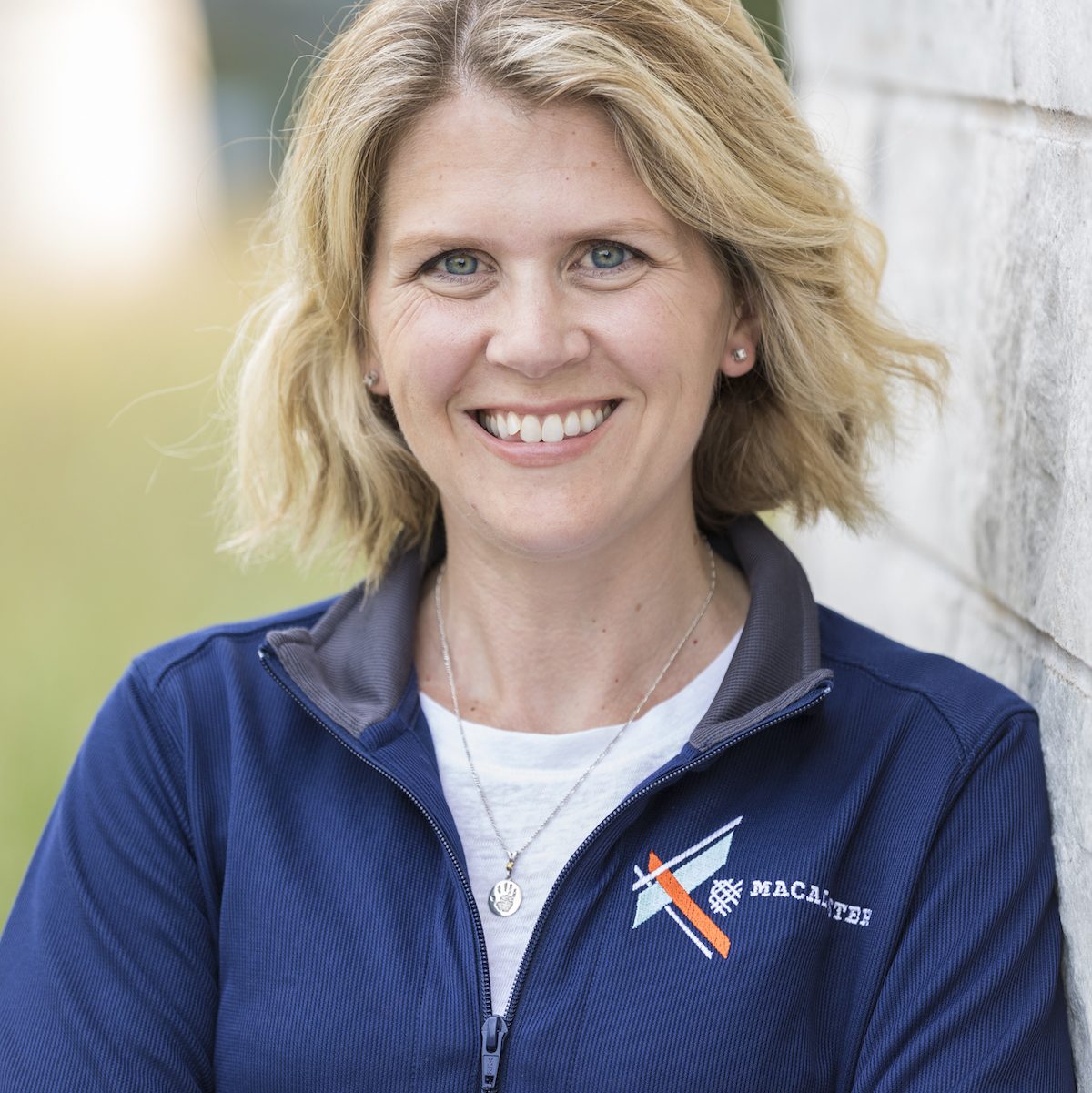
Amanda Duffy is a Count the Kicks Ambassador in Minnesota. She lives in the Minneapolis/St.Paul area with her husband Chris and three living children: Rogen, Rhett and Maeda. She advocates for kick counting education in honor of her second-born, Reese, who was stillborn in 2014 in the 39th week of pregnancy.

Des Moines, Iowa- March 9, 2022: Today Congresswoman Alma Adams (D-North Carolina), Congresswoman Ashley Hinson (R-Iowa), Senator Jeff Merkley (D-Oregon) and Senator Bill Cassidy (R-Louisiana) introduced the bipartisan Maternal and Child Health Stillbirth Prevention Act of 2022 into Congress for consideration. The House and Senate companion legislation would add stillbirth and stillbirth prevention to Title V of the Social Security Act — something that has been lacking since the introduction of Title V back in 1935. Every year, 47,000 expectant parents will lose their baby to stillbirth, according to the CDC.
Healthy Birth Day, Inc. the nonprofit organization that created the Count the Kicks stillbirth prevention campaign, helped initiate the legislation after discovering the omission of stillbirth from the most important piece of maternal health legislation in our country. The annual number of stillbirths far exceeds the number of deaths among children aged 0-14 years from preterm birth, SIDS, accidents, drownings, guns, fire, and flu combined. Racial disparities persist, with 1 out of every 96 Black pregnancies ending in stillbirth. Hispanic and Indigenous women are also at greater risk of losing their babies.
The legislation recognizes that stillbirth (defined as the loss of a baby at 20 weeks or greater during pregnancy), and the disparity in those impacted by stillbirth, requires further research, support, and prevention programming. It also calls for evidence-based programs and activities and outcome research to reduce the incidence of stillbirth including tracking and awareness of fetal movements, improvement of birth timing for pregnant people with risk factors, initiatives that encourage safe sleeping positions for pregnant people, screening and surveillance for fetal growth restriction, efforts to achieve smoking cessation amongst pregnant people, community-based programs that provide home visits or other types of support, and any other research or evidence-based programming to prevent stillbirths.
“This legislation is for the hundreds of thousands of expectant parents in this country who have lost a baby to stillbirth. It is a strong, bipartisan effort to acknowledge the silent crisis of stillbirth in this country and that we must do more to prevent preventable stillbirths through awareness and funding. We have solutions to save babies NOW. We are deeply grateful to Congresswomen Adams and Hinson and Senators Cassidy and Merkley for championing this issue,” said Emily Price, Executive Director of Healthy Birth Day, Inc.
Healthy Birth Day, Inc. encourages families and maternal health professionals who have been impacted by stillbirth to share their personal stories at StillbirthStories.com and on a variety of Stillbirth Stories social media platforms such as Twitter, Facebook and Instagram. The goal is to elevate the issue of stillbirth and to put a face to tragic birth outcomes that have long been ignored.
We encourage everyone who supports this legislation to learn more about the bill and reach out to your member of Congress to let them know you support it by visiting bit.ly/StillbirthPreventionAct.
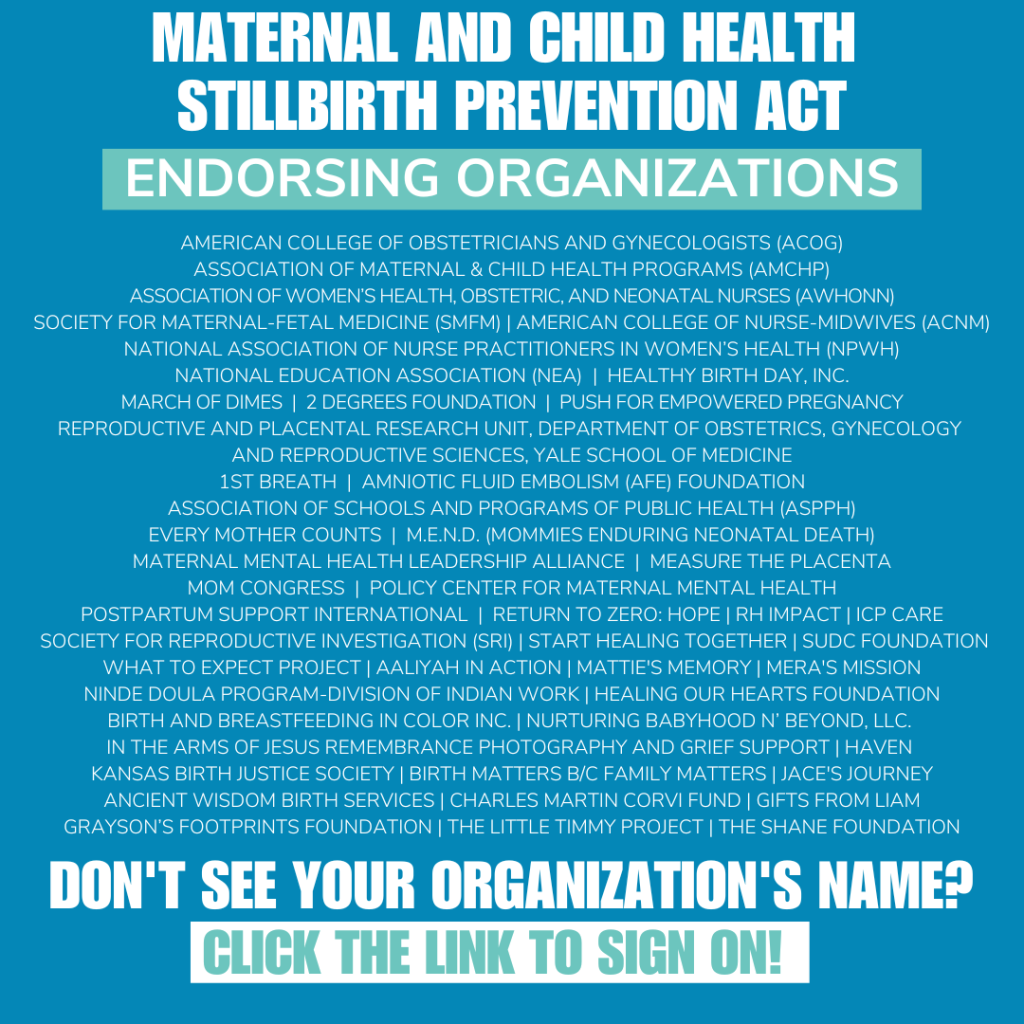
The following organizations have endorsed the bill: American College of Obstetricians and Gynecologists (ACOG), Association of Maternal & Child Health Programs (AMCHP), Black Mamas Matter Alliance, Every Mother Counts, Healthy Birth Day, Inc., The 2 Degrees Foundation, March of Dimes, Maternal Mental Health Leadership Alliance, Measure the Placenta, Mom Congress, Moms Rising Together, PUSH for Empowered Pregnancy, Reproductive and Placental Research Unit-Yale School of Medicine, Return to Zero: HOPE, 1st Breath, 2020 Mom, and Star Legacy Foundation.
About Healthy Birth Day, Inc.
Healthy Birth Day, Inc. is the 501(c)(3) nonprofit organization that created the Count the Kicks public health campaign. The organization and prevention campaign were founded by five Greater Des Moines women who all lost daughters to stillbirth or infant death in the early 2000s. The free Count the Kicks app is a powerful stillbirth prevention tool to help expectant parents be more in tune with their bodies and their babies. The free Count the Kicks app has been downloaded more than 180,000 times in all 50 states and more than 140 countries. In Iowa, where Count the Kicks began, the state’s stillbirth rate dropped by nearly 32% in the first 10 years of the campaign (2008-2018) and in the first five years the African American rate decreased nearly 39%; all while the rest of the country remained relatively stagnant. Learn more at CountTheKicks.org. We also invite you to learn more about our advocacy work at HealthyBirthDay.org.
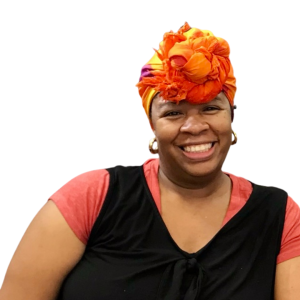
Nneka Hall is the mother of four (two Sunshines, ages 21 and 16, an Angel baby who would be 11, and a Rainbow who is 7). In 2014 she founded the Quietly United in Loss Together (QUILT) Campaign, which is a Pregnancy And Infant Loss Awareness campaign designed to raise awareness of all types of loss from conception through a child’s first two years of life, teach healthy fertility through womb health education, provide support to families who suffer these losses and provide support for PAIL organizations as needed.
As the mother of a stillborn baby girl turned Maternal Health advocate, it is Nneka’s goal to turn kick counting into a standard of care. Becoming a Count the Kicks ambassador made perfect sense.
Advocates for Change
Learn more about the courageous advocates who are helping us raise awareness and push for systemic change.
Learn MoreAdvocates for Change
Learn more about the courageous advocates who are helping us raise awareness and push for systemic change.
Learn More
Being involved with Count the Kicks has given me a place to put all the energy that I had planned to use for my son, Qasem into advocacy in his honor. I didn’t understand what a stillbirth was until he lost his heartbeat, I was admitted into the hospital to be induced, and they handed me a pamphlet entitled “stillbirth.”
I was enraged that I was never warned that this could be a possible outcome of pregnancy. I knew the chances of miscarriage, but after the first trimester, you were supposed to be safe. In my mind, there was no doubt that I would be taking my baby home in three weeks time. So If I, being a first-time mom that read and prepared for everything had no clue, then there had to be others that didn’t know either.
I had asked about kick counting because it was mentioned in my pregnancy apps, and was told if baby was active that it “wasn’t necessary.” That kick counting is saved for high-risk mothers, and I was as low risk as they come. But low-risk doesn’t mean no risk. I’ve met so many others whose stories sound just like mine. So I knew I had to share his story. Others had to know this could happen, and that there was a way to possibly prevent this outcome.
There have been so many times in my journey through grief, re-living moments and thinking “what if,” that drove me crazy. The biggest one being that I wish I had known this was a possibility. We had known a few friends that had gone through this, but I never knew or understood what happened, and I respectfully understood why they chose to keep it private.
That is why I chose to become what I wish I had. I told Qasem’s story to all our friends on social media; I am constantly reminding every pregnant friend to count their kicks in the third trimester (specifically to download the app), and I hand out app cards to random pregnant women I see out and about. All things I wish I had seen someone else do.
Count the Kicks is an incredible organization that has given me the opportunity to speak to nurses, doctors, politicians, and more. They give me a platform to continue to say Qasem’s name and tell his story. To spread awareness of how incredibly important it is to give this information to pregnant women.
The reasoning we’ve heard as to why stillbirth is not discussed with prenatal patients is that it’s “too scary.” We shouldn’t be treating prenatal patients as delicate flowers; we need to arm them with the information they need to feel empowered in their pregnancy, not afraid.
While we never got a chance to raise Qasem, he taught us more in his short life than we could have ever imagined. He made me a mother and an advocate.
Advocates for Change
Learn more about the courageous advocates who are helping us raise awareness and push for systemic change.
Learn moreAdvocates for Change
Learn more about the courageous advocates who are helping us raise awareness and push for systemic change.
Learn more
My daughter Lydia was stillborn from an umbilical cord accident in November of 2014. She was the most active of my four babies, until the moment she wasn’t. I’ll never forget saying to my doctor, “She moves so much!” and her response: “An active baby is a healthy baby!” And Lydie WAS healthy — but her umbilical cord was not. Lydie is my second child and I had no risk factors. I wasn’t counting kicks nor were any of my pregnant friends. It never even occurred to me.
The moment we found out Lydie had no heartbeat, my doctor said to me, “This is NOT your fault.” I had a hard time registering her words, still deeply in shock, but I remember thinking that as soon as I could make sense of this, I was going to blame myself. And I did. Who else was there to blame? A mother’s job is to take care of her child, and I failed to do that.
I’ve spent seven years now living with that everyday. Working through that guilt. I know now that if we had looked at Lydie’s umbilical cord on an ultrasound, we might have seen an issue. If I had had just one NST, it would have likely shown a heart rate deceleration caused by her cord. I know if I had been advised to monitor her movement, I would have. And I might have known she was in trouble.
I also know that I can’t turn back time.
I can give other parents the gift of knowing what I did not. I can educate them, and help them get their babies here safely. I tell pregnant mamas that they’ll be advocating for their child for the rest of their lives and they need to start during pregnancy. I tell doctors that we aren’t delicate flowers, that we deserve to be empowered with information and trusted with our intuitions. I tell them that stillbirth can be preventable, and my daughter should be seven.
I use my voice because Lydie never got the chance to.
Speaking Up for Change
Learn more about the courageous advocates who are helping us raise awareness and push for systemic change.
Advocates for ChangeSpeaking Up for Change
Learn more about the courageous advocates who are helping us raise awareness and push for systemic change.
Advocates for Change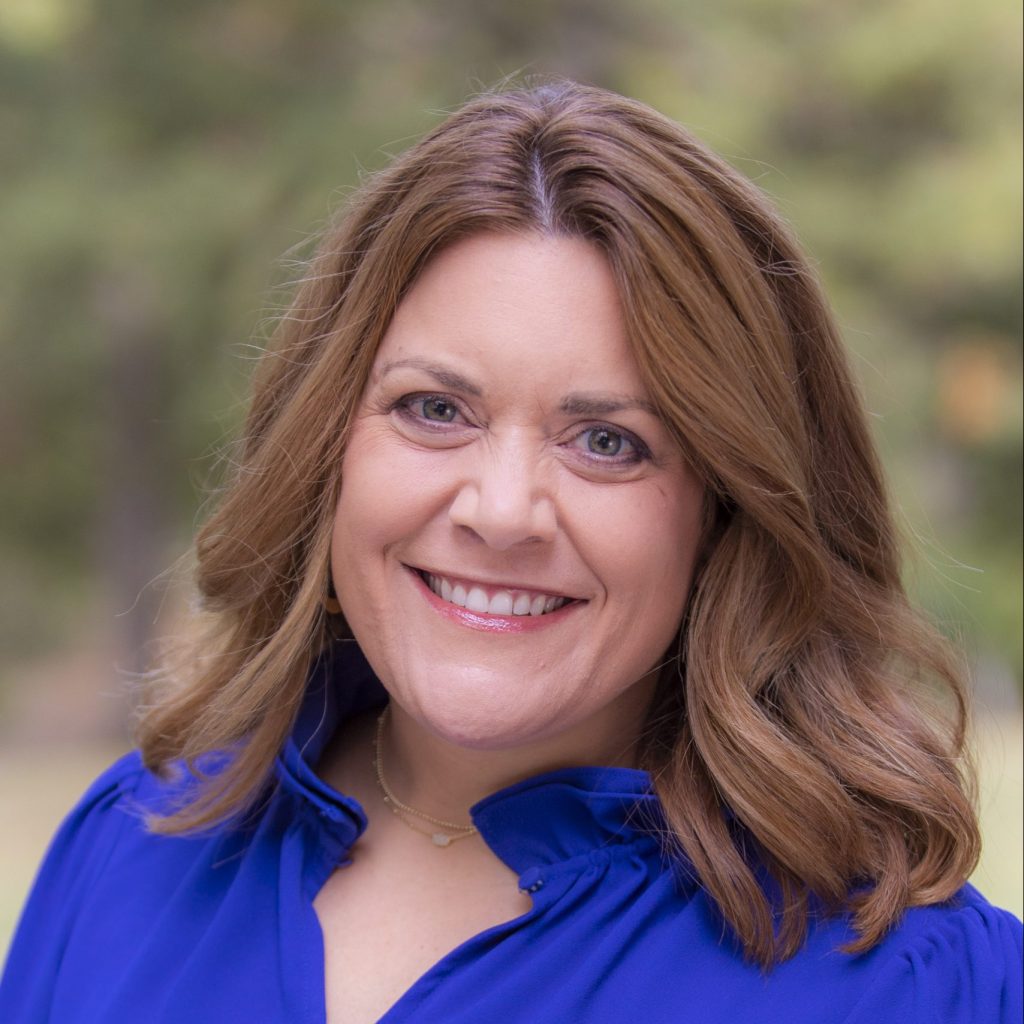
In March of 2001 I found myself sitting in the passenger seat of our minivan, freshly purchased for what was supposed to be a family of four … but there were just three of us. The fourth, our daughter Emma, was born just a few weeks earlier, and passed away after just eight days of life from congenital heart defects. My husband and I had made it home to our driveway after returning from my first postpartum OB appointment. Having sobbed the entire way home I sat motionless in the passenger seat. I was angry, and I found myself snapping at the tiniest of things.
I don’t exactly remember what caused me to snap at that particular moment. My husband said something, probably as innocent as, “Are you ready to go inside?” and that was all it took. Every ounce of anger spilled out in that minivan. My rage spanned the gamut of reasonable to absolutely absurd. I berated the pregnant teenagers I had seen in the waiting room at my OB’s office, the pain of the C-section incision that throbbed with my every twist and turn, the nurse who dared to ask how I was doing, the weather, my hair, the song playing on the radio — nothing was safe from my wrath. My husband sat silently and listened, and when it seemed as though I had choked up every last morsel of anger, he turned to me and said six words that would change my life.
“You can’t be this angry forever.”
I sobbed. Again. He was right. While my life had spun out of control with the loss of our precious baby girl, I realized that I had a choice — a real CHOICE — that was completely within my control. I could determine my daughter’s legacy, and anger and bitterness didn’t have to be a part of it. I had no idea how, but at this pivotal moment, sitting in my minivan, I knew some GOOD would come from my heartache.
Over two decades later, I have found that GOOD in my work with Healthy Birth Day, Inc. and Count the Kicks. Since founding the organization in 2008, Janet, Jan, Tiffan, Kerry and I have had had the honor of hearing from countless parents whose babies have been saved with Count the Kicks. We have looked into the eyes of the babies who are here, happy, and healthy, because their parents knew to speak up if they noticed a change in their movements.
Those babies are our daughters’ legacy and the GOOD I knew I needed to find over two decades ago. I will never stop working to ensure that more parents have these stories to share.
Community
Learn more about the courageous advocates who are helping us raise awareness and push for systemic change.
Learn MoreCommunity
Learn more about the courageous advocates who are helping us raise awareness and push for systemic change.
Learn More
May 31, 2003 – this date changed my life forever. That day brought a wrenching heartache and sadness that to this day I cannot fully describe. The weeks and months following it brought dark, scary days of uncertainty. It also delivered amazing, unexpected gifts. A deeper faith, the confidence to speak up, the friendship of four women who understood me and a resolve to ensure no other parent would unnecessarily experience what my husband and I were faced with on May 31, 2003. After an uneventful and healthy pregnancy our daughter, Madeline, was born still at 37 weeks due to a double nuchal cord (knotted umbilical cord).
In those early days I remember telling my family that I wanted Madeline’s life to matter. At the time I had no idea what that meant or what was ahead of me. And then I was introduced, one by one, to the other four founders of Healthy Birth Day, Inc. and Count the Kicks. We met in coffee shops just as five moms, each of us grieving the loss of our baby girls, each of us understanding one another. We pondered two questions: “Why doesn’t anyone talk about stillbirth?” and “Why is stillbirth still happening in this age of incredible medical advancement?”
Our work to advocate for stillbirth awareness and prevention and our work through the mission of Count the Kicks is solid proof of what can be accomplished when we don’t give up on our hopes and beliefs.
“What if we could save one baby?” What started with an innocent idea has become a powerful, life saving movement. Every baby saved, every volunteer who helps us spread our mission, every believer in our work keeps that fuel burning for me. Madeline, my sweet baby, your life has certainly mattered.
Community
Learn more about the courageous advocates who are helping us raise awareness and push for systemic change.
Learn MoreCommunity
Learn more about the courageous advocates who are helping us raise awareness and push for systemic change.
Learn More