
Community
Learn more about the courageous advocates who are helping us raise awareness and push for systemic change.
Learn More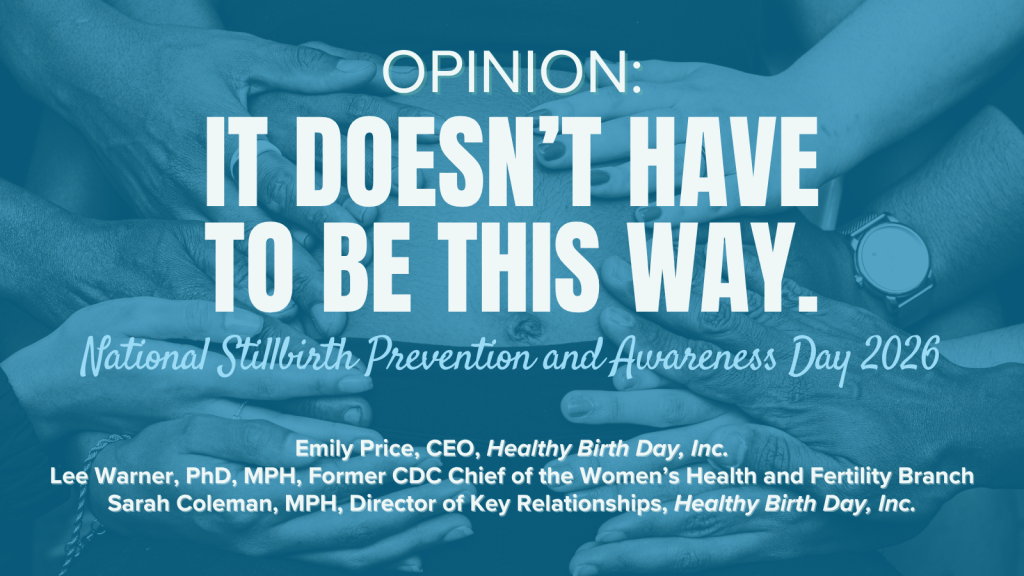
This is an extended version of the original op-ed that was published in the Des Moines Register.
Leticia Gomez-Espisito, a mom from Tenino, Washington, a rural town outside Tacoma, spent four years trying to conceive her first baby. When she finally became pregnant and felt that first flutter in her second trimester, she promised herself she’d pay careful attention to every movement.
She had no idea that promise would save her daughter’s life. She did a quick Google search for pregnancy resources and downloaded the free Count the Kicks app to help track her baby’s movements, which she began using regularly.
At 30 weeks, sharp pain sent her to the hospital — but her vitals looked fine, so doctors sent her home with a diagnosis of dehydration. The next day, the pain returned worse than before, and her baby began kicking harder and more frequently than ever. Most people would have called the swift kicks a good sign. Because Leticia had been using the app to track her baby’s movements, she knew it wasn’t.
Specialists stood at her bedside, baffled, while she lay there quietly tracking every movement on the Count the Kicks app on her phone — not out of panic, but because she had a graph with her baby’s movement history to show something was off. The CDC lists both a change in a baby’s movements and severe belly pain that doesn’t go away as urgent maternal warning signs. Movement is the way babies communicate to let mom know when something is going wrong during pregnancy.
It took a stray comment about pain, a dropping hemoglobin count, and Leticia’s insistence that her baby’s movements were “not OK” for doctors to piece it together: a 4-centimeter uterine rupture and a blood clot the size of two fists, hemorrhaging silently inside her. She was rushed into an emergency cesarean section and put under anesthesia as surgeons raced to save them both.
It worked. Sixty-three days later, her daughter Gabriella came home from the NICU — alive and healthy because her mother refused to let a “clear” ultrasound and “fine” vitals talk her out of what she already knew. Miraculously, Leticia survived too.
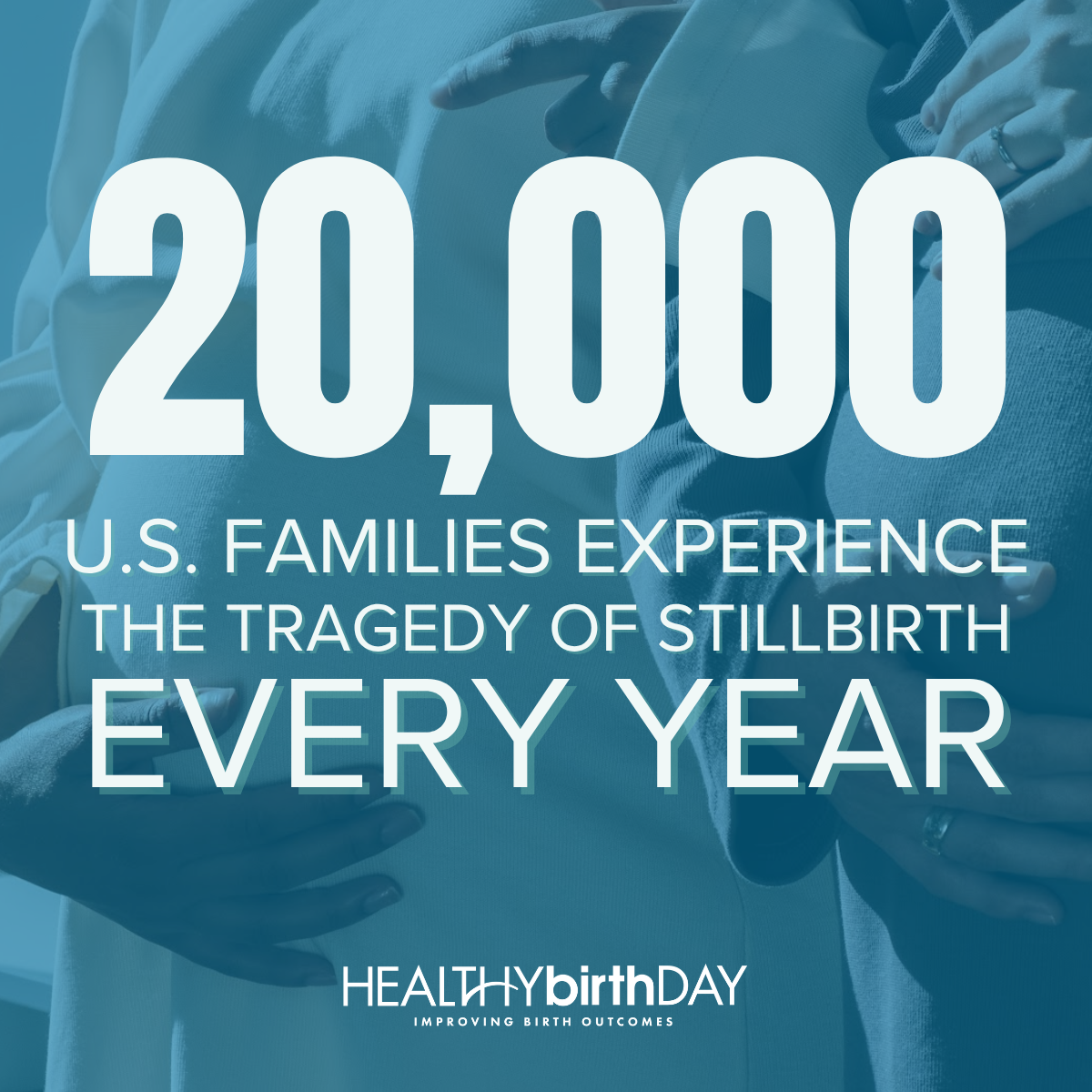
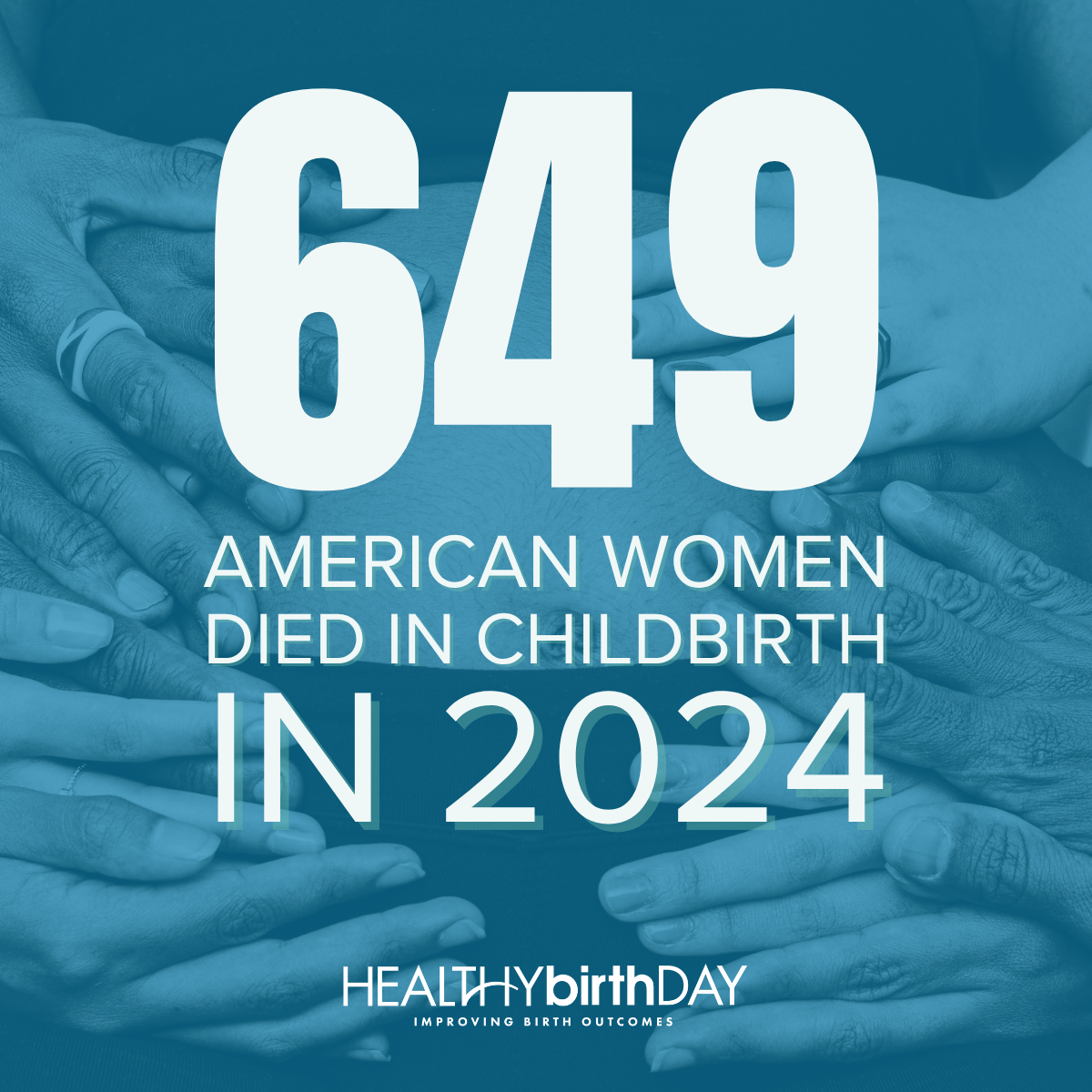
In 2024, 649 American women died during pregnancy, or within 42 days of childbirth, according to the CDC. The U.S. has the highest maternal mortality rate in the developed world. The CDC reports that each year an estimated 60,000 women like Leticia experience life-threatening complications during childbirth. Additionally, each year more than 20,000 families will experience a stillbirth, which is defined as the loss of a baby at 20 weeks or later during pregnancy.
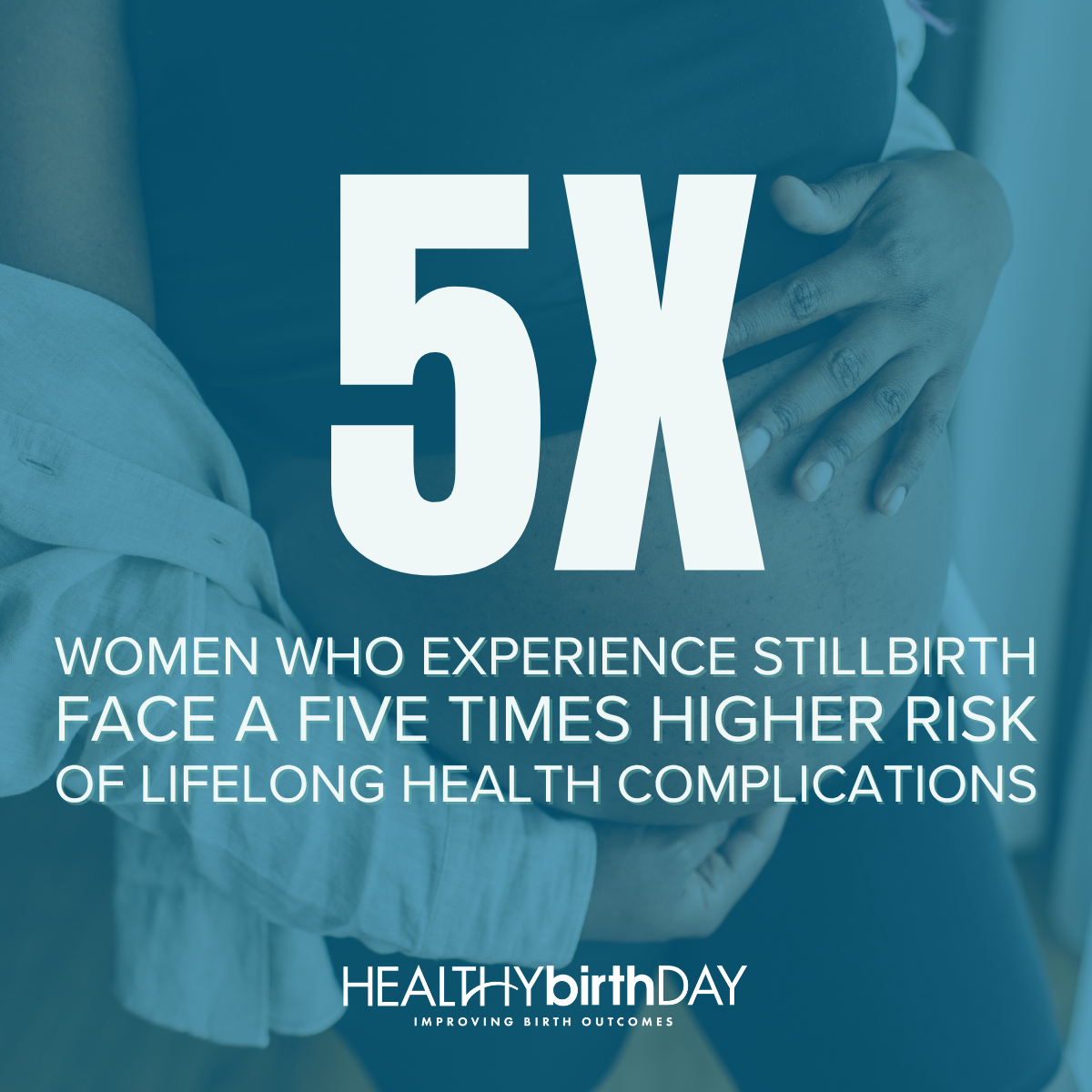
Research shows the health of a mom and the health of her baby are intrinsically connected, and women who experience stillbirth face a nearly five times higher risk of having lifelong health complications. We arrive at the intersection of the stillbirth and maternal mortality crises from different lived experiences and professional perspectives, joined together by the belief that too many lives are at stake, and too much progress is possible for any of us to sit on the sidelines.
Emily’s work is fueled by a personal story: a change in her baby’s movements sparked her doctor to order a non-stress test, which alerted them to dangerous preterm labor at 30 weeks. Her doctor moved quickly to prescribe Procardia to help slow contractions, combined with strict bedrest, to keep her son safe and inside her for 10 more weeks. Hayden was born completely healthy and did not spend any time in the NICU. For the past decade, she helped build the movement that gets stillbirth prevention education into the hands of millions of moms each year.
Sarah, a lifelong educator, is driven by a deep desire to teach others about a simple method for recognizing potential early warning signs during pregnancy. Her passion is deeply personal, shaped by the devastating impact of stillbirth on those she loves — three close friends and a family member have each endured the loss of a baby to stillbirth.
Lee, who is the former Chief of the Women’s Health and Fertility Branch at the CDC, is also driven by the desire to reduce the number of stillbirths that can be prevented. He spent his career focusing on maternal and infant health, including expanding data collection in the Pregnancy Risk Assessment Monitoring System (PRAMS), to include women with stillbirths as well those with live births. It was through a shared connection regarding the importance of data collection on the health of pregnancies that Lee met Emily in 2018.
On the fifth annual National Stillbirth Prevention and Awareness Day we share one collective message: It doesn’t have to be this way. Research indicates that at least 25% of all stillbirths are preventable. More than five thousand babies’ lives could be saved annually through greater focus on prevention efforts.
The CDC also calculates that more than 80% of pregnancy-related deaths are preventable with care already available to us. Count the Kicks is one solution that is helping improve birth outcomes for moms and babies. This public health program teaches expectant parents a simple method to become familiar with their baby’s normal movement patterns in the third trimester of pregnancy and empowers them to speak up to their provider when they believe something is off.
So far the program has collected nearly 200 stories from families in 40 states who believe Count the Kicks helped get their baby here safely. For at least 15 of those families, the mom says her life was saved, too.
When we combine downstream solutions like Count the Kicks with upstream improvements, we can start to end these connected crises and save more lives. Healthy Moms, Healthy Babies America (HMHBA), an initiative that aims to cut maternal deaths in half in five years, calls for standardized prenatal risk assessments, postpartum referrals and immediate prenatal Medicaid coverage as a way to remove upstream barriers for moms.
Fetal monitoring interventions, such as Count the Kicks, helps expectant parents and providers identify potential warning signs during pregnancy and obtain timely medical care that can create opportunities to intervene before a serious complication becomes life-threatening, potentially preventing some stillbirths and maternal deaths. Research published in BJOG: An International Journal of Obstetrics and Gynaecology demonstrates the effectiveness of Count the Kicks as a method for stillbirth prevention.
Stillbirth prevention advocates are gaining traction on the stillbirth crisis, and America is starting to take note. Within the past year, NIH’s Eunice Kennedy Shriver National Institute of Child Health and Human Development (NICHD) launched the Stillbirth Research Consortium, committing more than $37 million over five years. By the end of September, the clinical study they’ve named Research On Advanced Diagnostics and Management of All Pregnancies to Prevent Stillbirth (ROADMAPS) will launch nationwide.
Encouragingly, over the past three years The Maternal and Child Health Stillbirth Prevention Act of 2024 was signed into law, ensuring Title V funds can and should be used on stillbirth prevention efforts in health departments across the country. The Stillbirth Advocacy Working Group of the USA (SAWG-USA) formed and the NIH Stillbirth Working Group received critical Congressional funding to start addressing the stillbirth crisis.
Additionally, the Association of Women’s Health, Obstetric and Neonatal Nurses (AWHONN) created a clinical Changes in Fetal Movement pathway, a standard of care for providers across the U.S. to know exactly what to do when a mom like Leticia comes in complaining of a change in their baby’s movements. Systems change work like this is paramount; when we all have evidence-based information at our fingertips, we save lives. Count the Kicks was a part of the research that helped form the AWHONN pathway.
Since launching in Iowa in 2008, Count the Kicks has expanded its education into 35 states and Puerto Rico. The program’s free app averages 33,000 new users every month, and has been downloaded by more than 1.6 million expectant parents to date. By the end of the year, respected leaders at UNLV, University of Texas at Austin, and Utah Stillbirth Center of Excellence will separately convene clinicians and researchers to address the U.S. stillbirth crisis and discuss innovative solutions.
This week we mark five years that Congress has designated Sept. 19 as National Stillbirth Prevention and Awareness Day — a day where members of Congress shine a light on the crisis, advocates ensure buildings and bridges light up across the U.S., and families have an opportunity to honor the thousands of babies lost to this public health tragedy every year. Watch our Congressional Roundtable on the Stillbirth Crisis that took place this week in the U.S. Capitol. Every step forward generates urgency, increases awareness and pushes our country to do more.
We ask you to join us. Here are three ways you can help save lives and abate the stillbirth and maternal health crises:
Leticia and Gabriella are living proof that it doesn’t have to be this way. Now it’s on all of us — health systems, clinicians, decision makers, public health officials, philanthropists, advocates, government leaders, and community stakeholders — to finally end the stillbirth crisis.
– Emily Price, CEO, Healthy Birth Day, Inc.
– Lee Warner, PhD, MPH, Maternal and Infant Health Consultant
– Sarah Coleman, MPH, Director of Key Relationships, Healthy Birth Day, Inc.
Add your name alongside supporters across the country who believe we can do more to prevent stillbirths and improve birth outcomes for moms and babies.
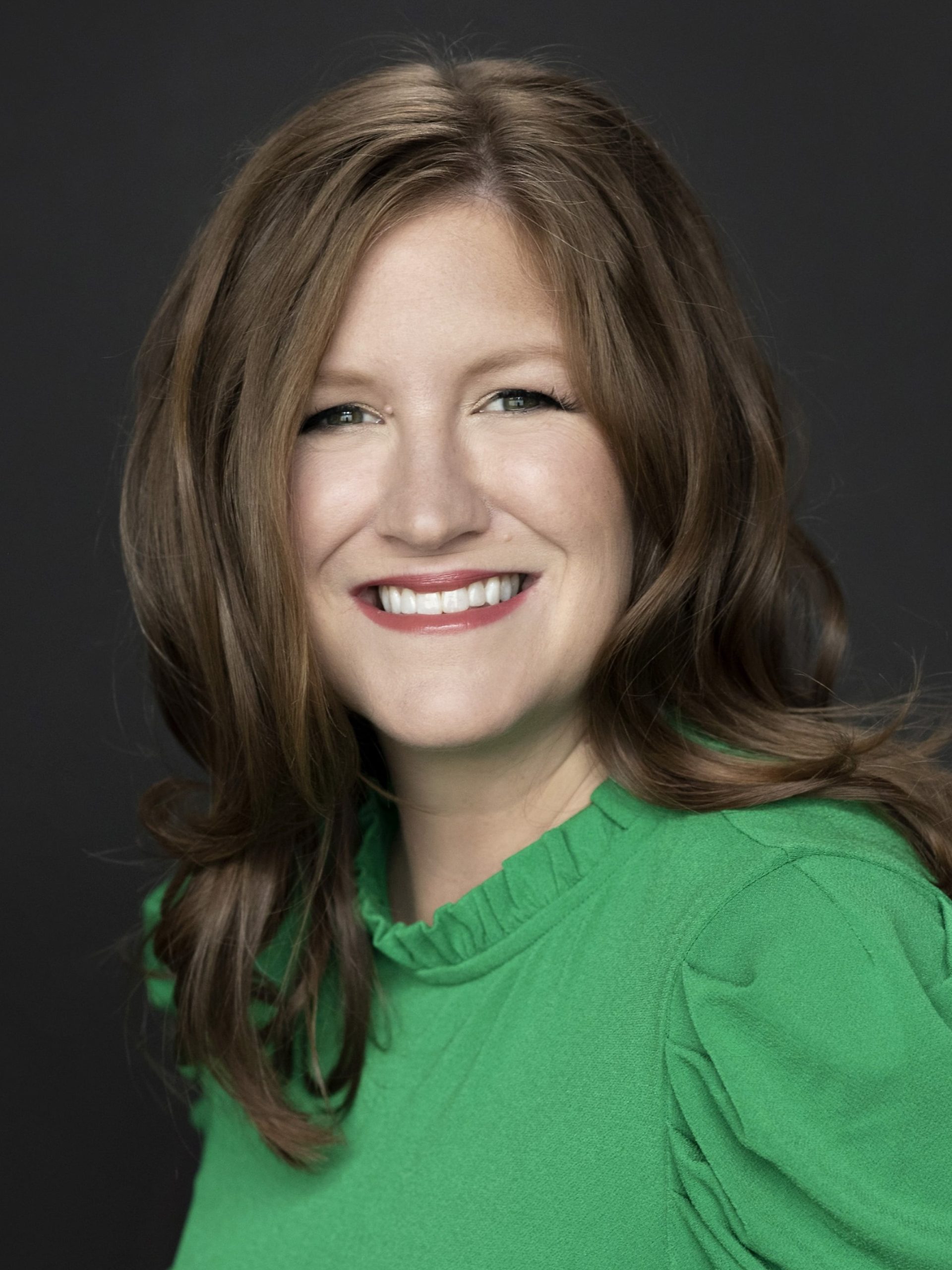
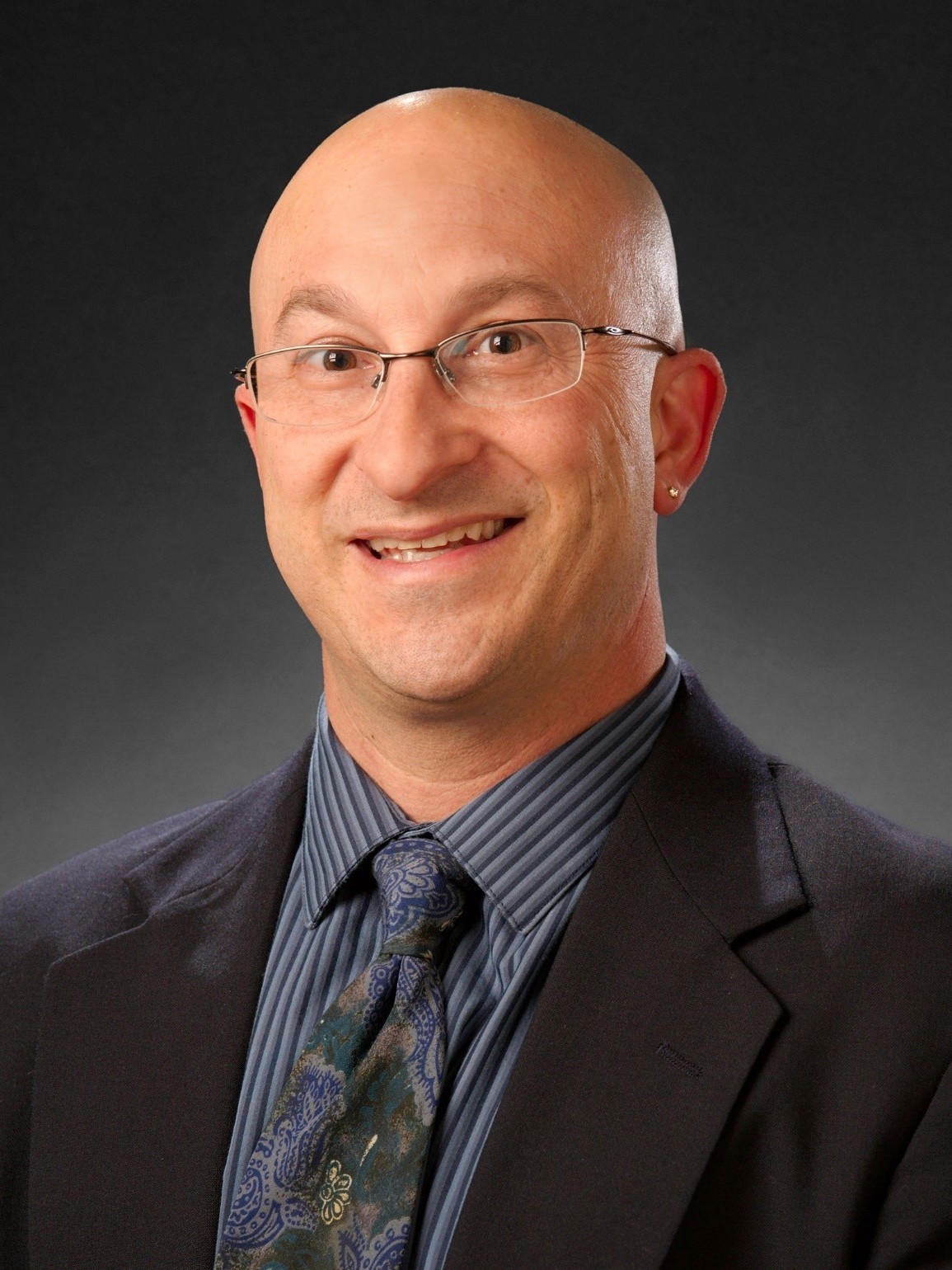
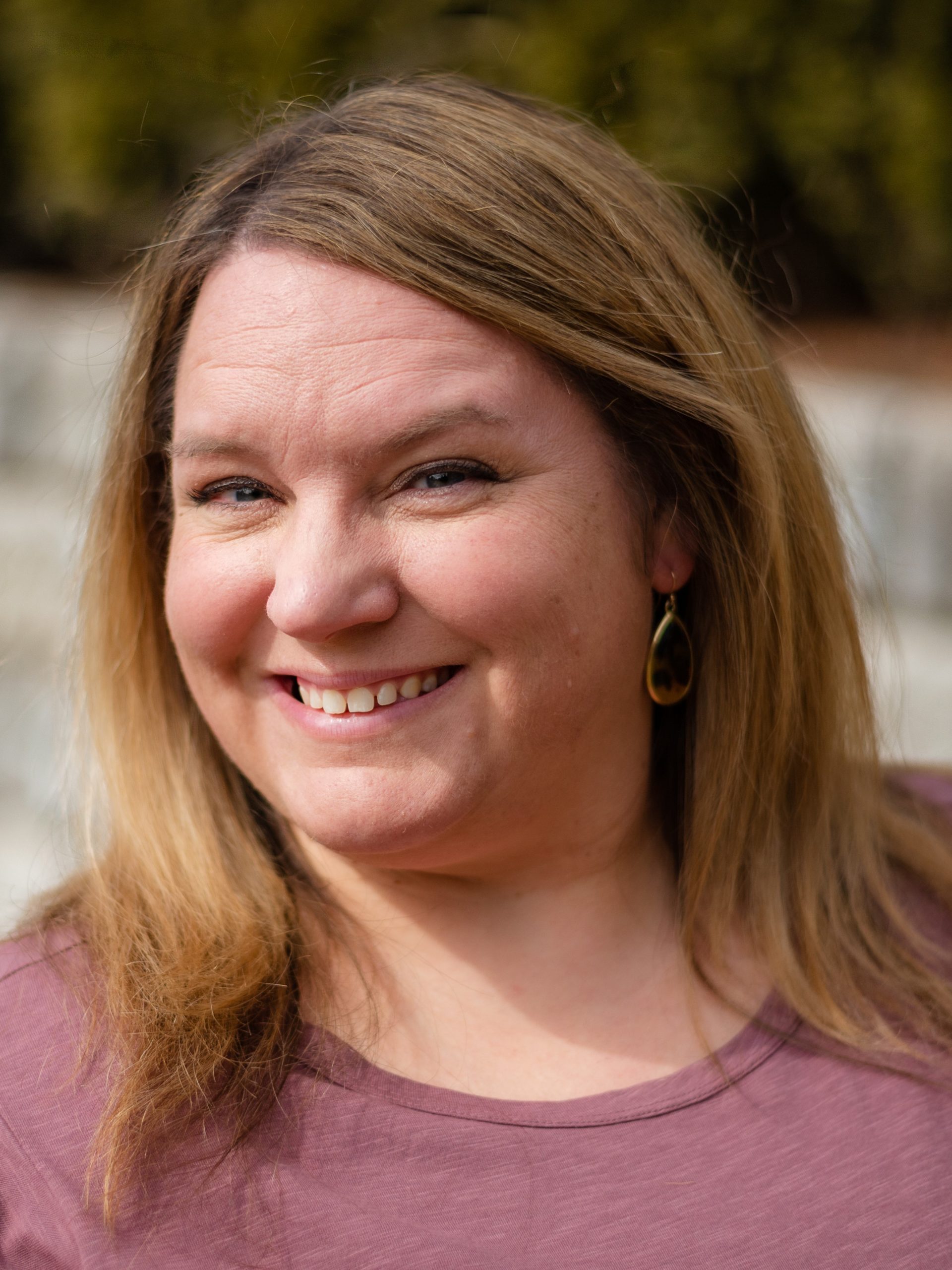
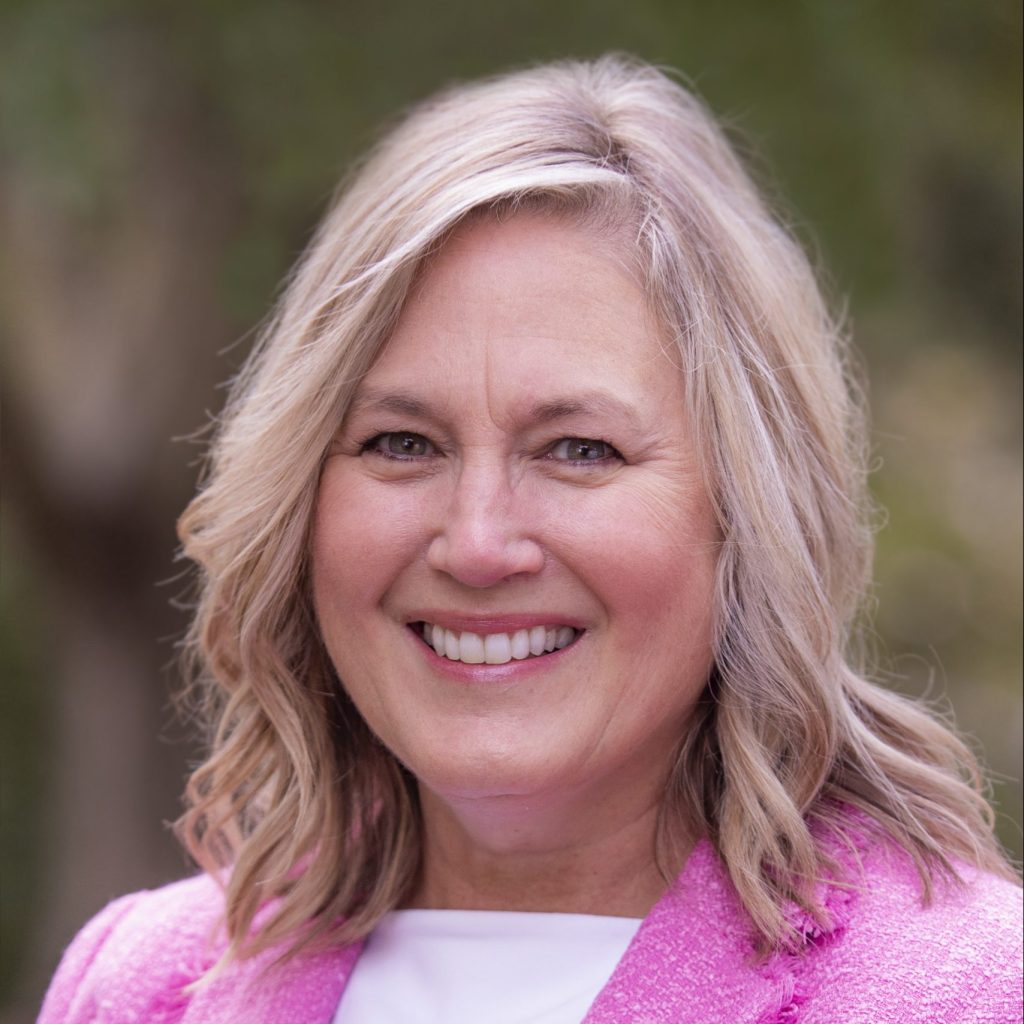
Jayden Renee Caruthers was born still at 3:00 p.m. on October 9, 2003. She weighed 4 pounds and 12 ounces. Her skin was so soft, and her face was more beautiful than my husband and I could have imagined. We never got to welcome our daughter into the world because the moment we met her we had to begin saying goodbye. Jayden died of a filamentous cord insertion.
Jan is one of the five original founding moms of Healthy Birth Day, Inc. the 501(c)3 nonprofit organization that created the Count the Kicks campaign.
Community
Learn more about the courageous advocates who are helping us raise awareness and push for systemic change.
Learn MoreCommunity
Learn more about the courageous advocates who are helping us raise awareness and push for systemic change.
Learn More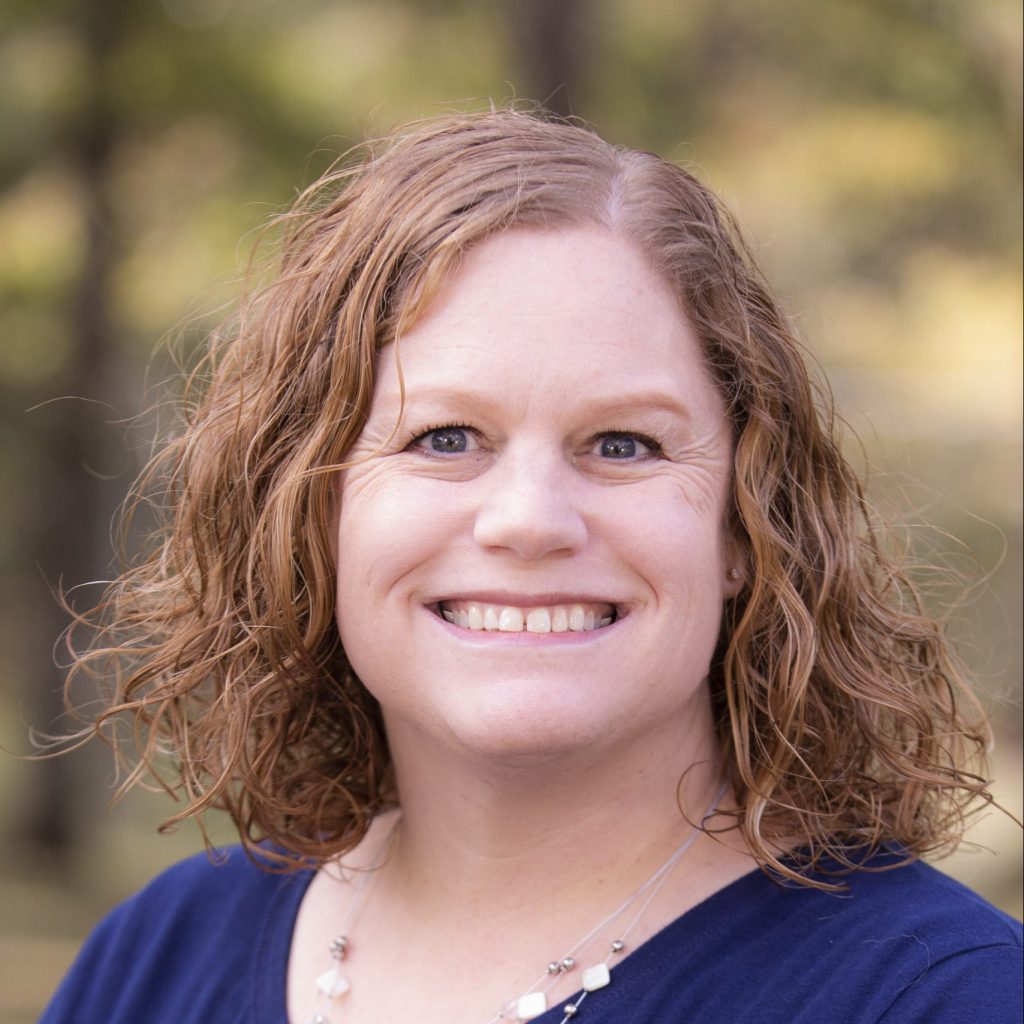
“Our first child, Grace, was born still at eight months due to placental infarcts. Although the pain of losing her was unbearable, the gifts she has given us have been extraordinary. Grace has blessed us with three healthy children, hand-picked, just for us. Every time we hear that a baby has been saved by Count the Kicks, it is like receiving a very special message from heaven. The time that I devote to Healthy Birth Day is the time I get to dedicate to Grace. Five special angels gave the founding mothers the gift of friendship at a time when it was most needed, and in turn, Count the Kicks is their legacy. I am proud to be Grace’s mother and I look forward to the day when every baby has a Healthy Birth Day.”
Kerry is one of the five original founding moms of Healthy Birth Day Inc., the 501(c)3 nonprofit organization that created the Count the Kicks stillbirth prevention program.
Community
Learn more about the courageous advocates who are helping us raise awareness and push for systemic change.
Learn MoreCommunity
Learn more about the courageous advocates who are helping us raise awareness and push for systemic change.
Learn MoreThe Building Understanding of Movement in Pregnancy Act” or “The BUMP Act” is bipartisan legislation aimed at making sure North Carolina families will receive clear, consistent information on warning signs and fetal movement, while also improving provider response and prioritizing communities facing the greatest risks and disparities. The BUMP Act will also bring Count the Kicks education to North Carolina families.
Ask Congress to provide $1 million in funding for the Health Resources and Services Administration (HRSA) to expand its technical assistance to states focused on stillbirth prevention.
NEW YORK, NEW YORK – (Sept. 23, 2024) – Today, Healthy Birth Day, Inc. (HBD) announced at the Clinton Global Initiative (CGI) 2024 Annual Meeting innovative new AI technology and research that will help identify patterns and risk factors in pregnancy that may otherwise go unnoticed. Through their Commitment to Action with CGI, machine learning will help to reduce disparities in maternal and fetal health. A change in a baby’s movement patterns in the third trimester is often an early red flag in pregnancy that something might be going wrong. Maternal health researchers will study, through the Count the Kicks app, whether AI can accurately predict and warn providers when something is off.
In addition, the organization is unveiling its new ‘Ask Ana’ feature, an AI-generated assistant where users can receive evidence-based, curated responses to questions about baby’s movement, providing additional autonomy and advocacy for expectant parents. The AI-based assistant will provide real-time support to expectant mothers, offering insights tailored to their unique pregnancy experiences. After strong demand from current app users and doctors nationwide, Count the Kicks is also adding a contraction timer to its free app later this year.
This project expands upon promising success the organization has already had in saving lives through its Count the Kicks program. In Iowa where the program started, the organization witnessed a 32% overall stillbirth rate reduction in the first 10 years, and a 39% reduction in the Black stillbirth rate in just five years.
CEO Emily Price and Program Director Megan Aucutt are representing the organization at the CGI 2024 Annual Meeting to share the work with global leaders. “I look forward to meeting leaders who have had success in advancing solutions to our greatest global challenges and sharing how Count the Kicks is a solution that is working to improve birth outcomes for moms and babies everywhere,” Price said.
Count the Kicks is an early warning system that educates expectant parents to get to know what movement patterns are normal for their baby in the third trimester and empowers them to speak up to their provider if normal changes. Further modernizing the early detection tools to integrate AI will act as a communication tool to use between patient and provider, which can improve front line defense of critical pregnancy issues. The Count the Kicks app currently averages 11,000 new users every month as users enter the third trimester. An estimated 400,000 pregnant people through August 2027 will be impacted by this commitment.
“By leveraging AI to develop a data-driven risk assessment tool, we are laying the groundwork for more effective interventions to significantly improve birth outcomes. This work represents a crucial step forward in stillbirth prevention and maternal health, all while ensuring that our tools remain remain free, innovative and easy to use,” said Healthy Birth Day, Inc. Program Director Megan Aucutt, who oversees the organization’s research program and app innovations.
Research surrounding this project will create a roadmap to develop a risk assessment tool the medical community can use to improve outcomes, specifically for those most at risk of stillbirth and other adverse maternal and birth outcomes. In addition, HBD commits to share its lifesaving, evidence-based maternal health program Count the Kicks in communities impacted by health disparities, with a particular focus on Black expectant parents, who face a two times greater risk of experiencing stillbirth. Through CGI, HBD hopes to grow its partnerships across the country as the AI tool is being designed and tested. This includes increasing downloads of its free kick-counting app, training health workers, hosting community events, and distributing printed educational materials that are proven to save lives.
“We believe Healthy Birth Day‘s commitment will truly move the needle in improving birth outcomes and preventing stillbirths for vulnerable communities,” said Greg Milne, CEO of the Clinton Global Initiative. “By utilizing AI to impact maternal health inequities, we’re excited to amplify solutions to our most pressing common challenges.”
HBD seeks implementing partners with lived experiences and topic expertise related to maternal health barriers within Black communities for this Commitment to Action. The organization also seeks funding partners aligned with its mission to improve birth outcomes among Black expectant parents, which could include individual, corporate, and foundation donors as well as health departments, managed care organizations, and hospital systems. To become involved, please contact CEO Emily Price.
Commitment Maker
Through our Commitment to Action we will work with researchers to use innovative new AI technology to develop a risk assessment tool the medical community can use to improve birth outcomes.
Learn More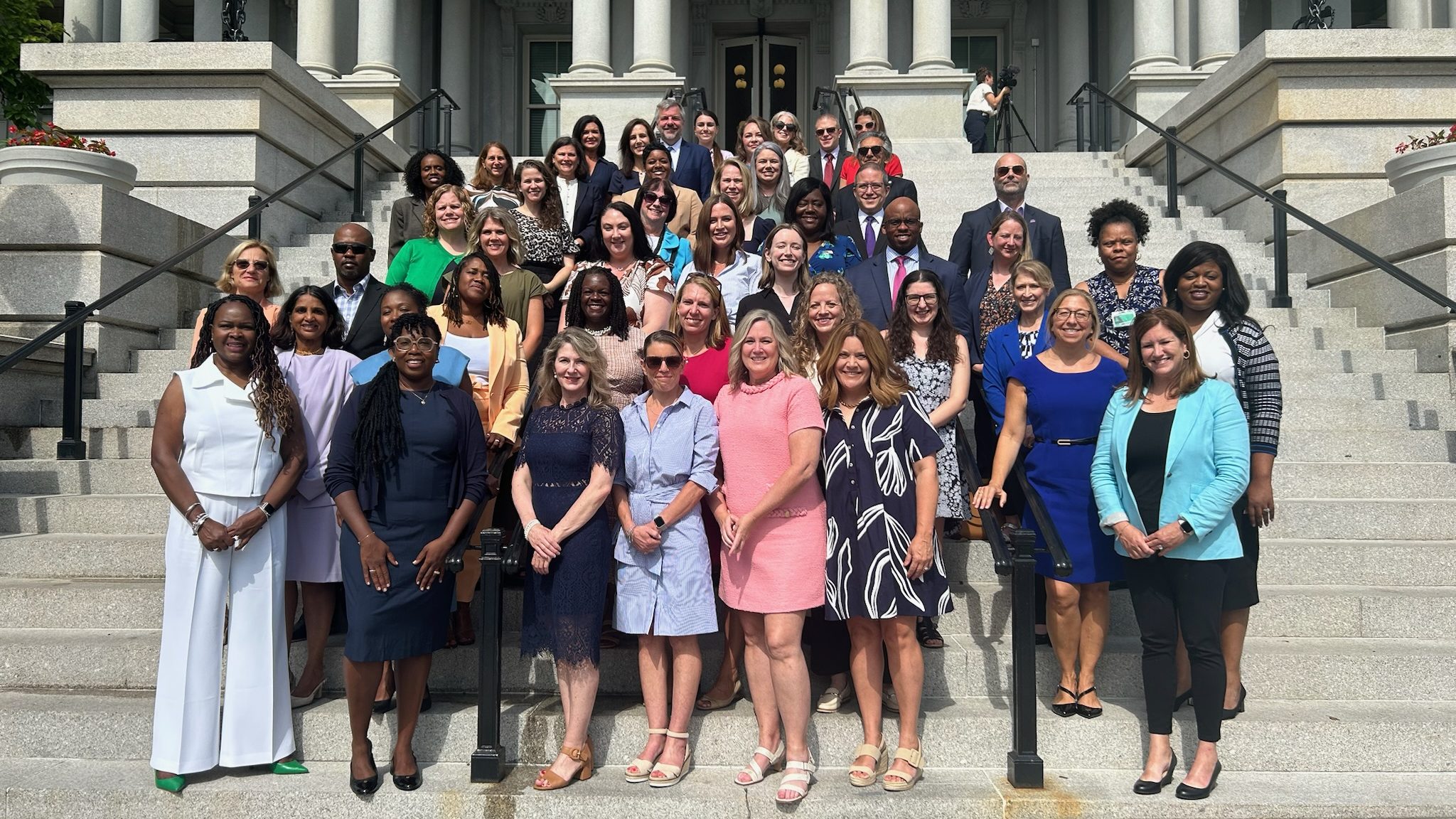
WASHINGTON, D.C. (July 12, 2024)- President Biden has signed the bipartisan Maternal and Child Health Stillbirth Prevention Act of 2024 (H.R. 4581). This law amends Title V of the Social Security Act to add stillbirth and stillbirth prevention, something that has been left off since it was written nearly 100 years ago. The Maternal and Child Health Stillbirth Prevention Act provides both clarity and a vital call to action to state health departments across the nation that they can and should use a portion of the existing $2.6 billion of Title V Block Grant funding to prevent stillbirth.
The Title V Block Grant is the single largest funding mechanism to address maternal and child health issues in the United States, with services reaching more than 93% of pregnant women in 2022. Currently, fewer than 20 state health departments are using a portion of these existing funds to address stillbirth, leaving expectant parents in most U.S. states and territories more vulnerable to stillbirth. This clarification will support stillbirth prevention activities, thereby helping to save the lives of mothers and babies.
Senators Jeff Merkley (D-Oregon) and Bill Cassidy (R-Louisiana) led The Maternal and Child Health Stillbirth Prevention Act in the Senate, where it passed on unanimous consent June 11. The House approved this bill on May 15 in a vote of 408-3, where it was led by Rep. Ashley Hinson (R-Iowa) and Rep. Alma Adams (D-North Carolina).
“The successful passage of The Maternal and Child Health Stillbirth Prevention Act means the voices of thousands of grieving mothers, fathers, siblings and grandparents made a powerful difference for future families, and Congress and the President acted. This is a significant step in making stillbirth a maternal health tragedy of the past. Change is coming,” said Emily Price, the CEO of Healthy Birth Day, Inc., the nonprofit organization that championed the bill.
Stillbirth, which is defined as the loss of a pregnancy at 20 weeks or greater gestation, is a public health crisis in the U.S. that happens to more than 21,000 families every year. This means one in every 175 pregnancies in the U.S. ends in stillbirth. Racial disparities persist, and Black women are two times more likely to endure a stillbirth than their White counterparts. Recent reports and data suggest that further reduction in the incidence of stillbirth is possible, highlighting that at least 25% of stillbirths are potentially preventable. That reduction would translate into as many as 6,000 babies’ lives that could be saved every year when stillbirth prevention measures are in place.
“This is a moonshot moment,” says Janet Petersen, co-founder of Healthy Birth Day, Inc. “Every expectant parent in the U.S. deserves their prenatal care to include evidence-based stillbirth prevention strategies like we have in Iowa. This bill will help make that possible.”
The annual number of stillbirths far exceeds the top five leading causes of deaths among children ages 0-14 years combined, including unintentional injuries, congenital anomalies, preterm birth, homicide, SIDS, and heart disease. Data from UNICEF comparing the United States to other countries shows that our nation can and must do more to prevent stillbirth. The 2023 report shows that in the last two decades, the U.S. stillbirth rate declined by a negligible 0.9% per year (2000-2021), putting our progress at 152nd out of 187 countries globally.
The Maternal and Child Health Stillbirth Prevention Act is endorsed by 50 maternal health organizations, including March of Dimes, ACOG, AMCHP, AWHONN, and SMFM. Full text of the Stillbirth Prevention Act is available at Congress.gov. Visit bit.ly/StopStillbirth to learn more about stillbirth prevention legislation in the 118th Congress.
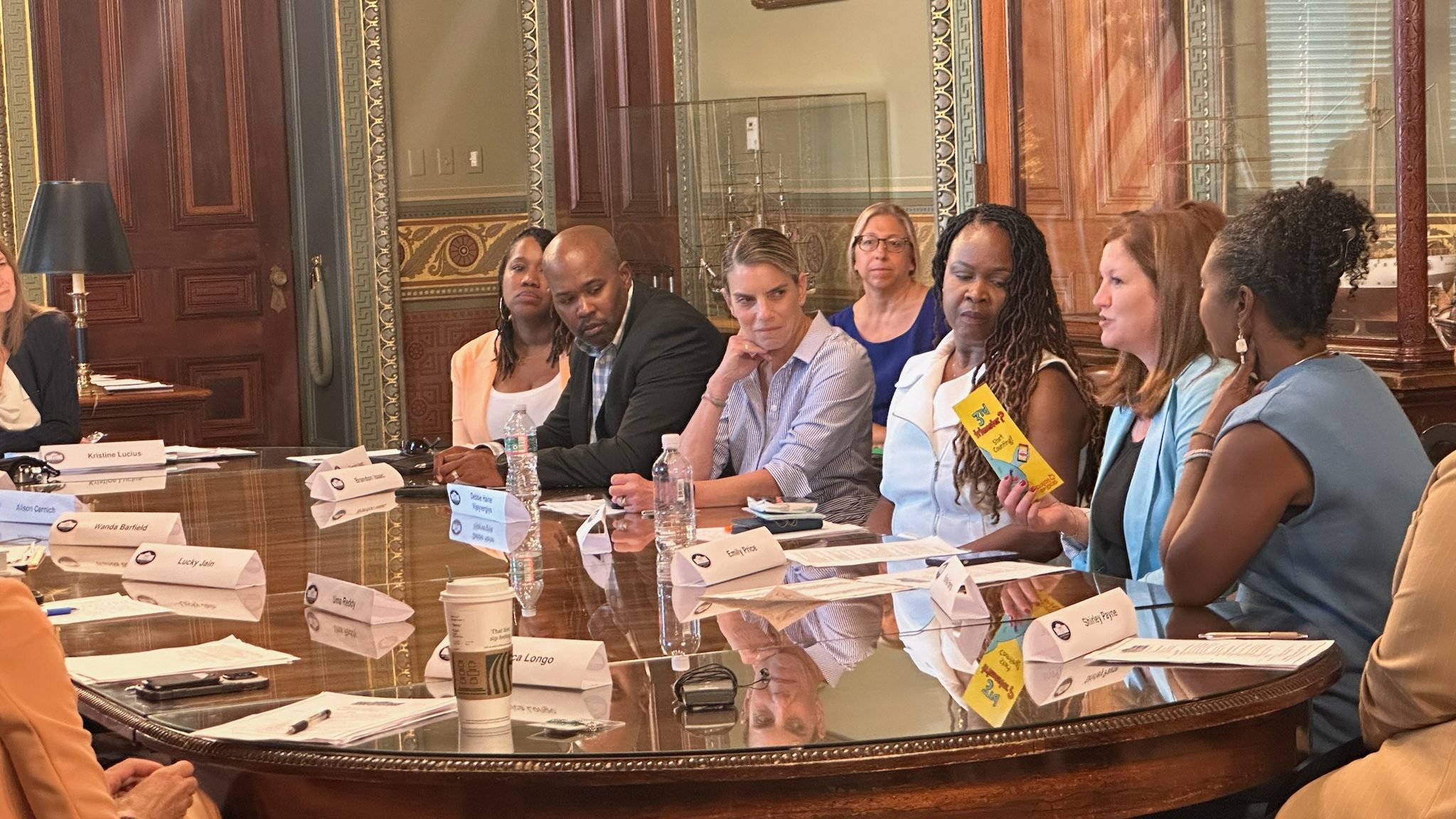
On Monday, July 8, 2024, stillbirth prevention advocates and members of the Healthy Birth Day, Inc. team were invited to participate in a panel discussion on the stillbirth crisis hosted by the Biden-Harris Administration at the White House complex. The event coincided with the passage of The Maternal and Child Health Stillbirth Prevention Act. The panel discussion included Healthy Birth Day, Inc. CEO Emily Price, Count the Kicks Ambassador Tomkea Isaac and her husband Brandon, founders of Jace’s Journey, and Healthy Birth Day, Inc. Board Member Rose L. Horton.
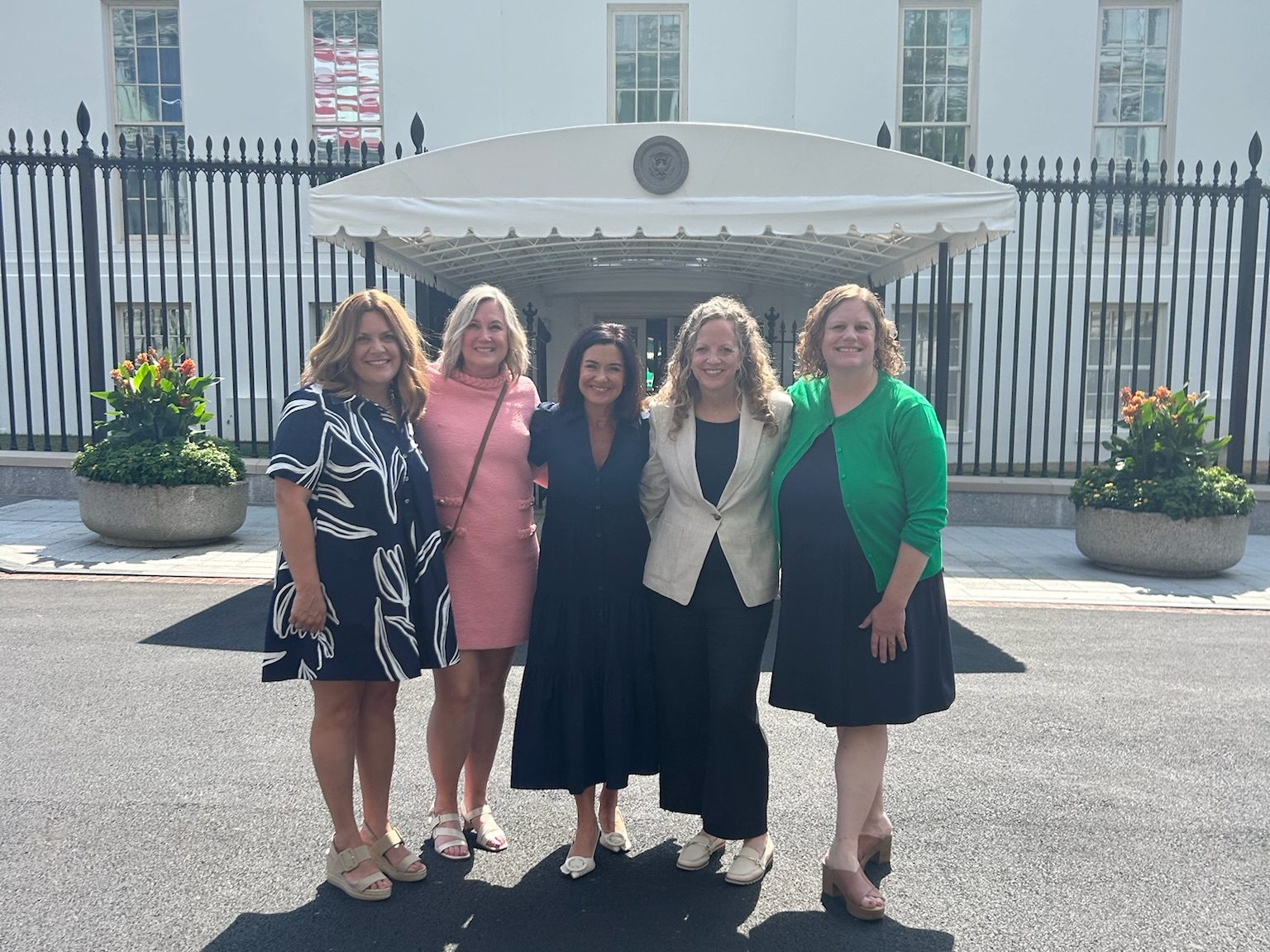
The five founders of Healthy Birth Day, Inc. also traveled to Washington, D.C. to attend the White House event in honor of their daughters. From left, Kate Safris, Jan Caruthers, Tiffan Yamen, Iowa Sen. Janet Petersen, and Kerry Biondi-Morlan stand outside the White House on Monday, July 8, 2024.
In the early 2000s these women came together after losing their daughters to stillbirth or infant death. They decided to channel their grief into stillbirth prevention efforts to keep other families from experiencing the tragedy of stillbirth. Their efforts created our nonprofit organization, Healthy Birth Day, Inc., and led to the launch of the Count the Kicks stillbirth prevention program in 2008.
Healthy Birth Day, Inc. is the creator of the Count the Kicks stillbirth prevention program, which is credited with lowering the stillbirth rate in Iowa by more than 30% in the first 10 years (2008-2018). The free Count the Kicks app is a powerful stillbirth prevention tool to help expectant parents learn a simple method for fetal movement monitoring (kick counting). Healthy Birth Day, Inc. is a 501(c)(3) nonprofit organization dedicated to the prevention of stillbirth through programming, advocacy, and research. They are the primary stakeholders of The Maternal and Child Health Stillbirth Prevention Act (H.R. 4581) and a proud endorser of the SHINE for Autumn Act (H.R. 5012/S. 2657). Learn more at HealthyBirthDay.org and CountTheKicks.org.
WASHINGTON, D.C. (June 11, 2024)- Today the bipartisan Maternal and Child Health Stillbirth Prevention Act of 2024 passed in the United States Senate on unanimous consent and is headed to President Biden’s desk for signature. This bill will add stillbirth and stillbirth prevention to Title V — the single largest funding mechanism to address maternal and child health issues in the United States. Stillbirth prevention has been left off Title V since its inception back in 1935. This change provides both clarity and a vital call to action from Congress to state health departments across the nation that they can and should use a portion of the existing $2.6 billion of Title V Block Grant funding to prevent stillbirth.
Senators Jeff Merkley (D-Oregon) and Bill Cassidy (R-Louisiana) led the legislation in the Senate. In the House, H.R. 4581 is led by Rep. Ashley Hinson (R-Iowa) and Rep. Alma Adams (D-North Carolina). It overwhelmingly passed the U.S. House on May 15, 2024, in a bipartisan vote of 408-3.
Stillbirth, which is defined as the loss of a pregnancy at 20 weeks or greater gestation, is a public health crisis in the U.S. that happens to more than 21,000 families every year. This means one in every 175 pregnancies in the U.S. ends in stillbirth, and racial disparities persist, with Black women two times more likely to endure a stillbirth than their White counterparts. Recent reports and data suggest that further reduction in the incidence of stillbirth is possible, highlighting that at least 25% of stillbirths are potentially preventable.
“As many as 6,000 babies’ lives could be saved every year when stillbirth prevention measures are in place. The successful passage of The Maternal and Child Health Stillbirth Prevention Act means the voices of thousands of grieving mothers, fathers, siblings and grandparents made a powerful difference for future families, and Congress acted. This never would have happened without the leadership of Senators Jeff Merkley and Bill Cassidy, and to them we are forever grateful,” said Emily Price, Healthy Birth Day, Inc. CEO.
The annual number of stillbirths far exceeds the top five leading causes of deaths among children ages 0-14 years combined, including unintentional injuries, congenital anomalies, preterm birth, homicide, SIDS, and heart disease. Data from UNICEF comparing the United States to other countries shows that our nation can and must do more to prevent stillbirth. The 2023 report shows that In the last two decades, the U.S. stillbirth rate declined by a negligible 0.9% per year (2000-2021), putting our progress at 152nd out of 187 countries globally.
Currently fewer than 20 state health departments are using a portion of these existing funds to address stillbirth, leaving expectant parents in most U.S. states and territories more vulnerable to stillbirth. This clarification will support stillbirth prevention activities, thereby helping to save the lives of mothers and babies. Congress was not asked for additional funding associated with this legislation.
“Getting this bill to President Biden’s desk is a huge victory for thousands of parents across the United States who have lost babies to stillbirth. I’m one of those parents,” said Iowa Sen. Janet Petersen, co-founder of Healthy Birth Day, Inc. “It’s a national call for all 50 states to make stillbirth prevention a prenatal health care priority. It’s a moonshot to help save moms and babies and make stillbirths a maternal health tragedy of the past.”
Healthy Birth Day, Inc. is proud to be the primary stakeholder of the Maternal and Child Health Stillbirth Prevention Act. The Stillbirth Prevention Act is endorsed by 1st Breath, Policy Center for Maternal Mental Health (formerly 2020 Mom), 2 Degrees Foundation, Association of Maternal & Child Health Programs (AMCHP), March of Dimes, Measure the Placenta, Mom Congress, PUSH for Empowered Pregnancy, “Reproductive and Placental Research Unit, Department of Obstetrics, Gynecology and Reproductive Sciences, Yale University School of Medicine”, Return to Zero: H.O.P.E., Society for Maternal-Fetal Medicine (SMFM), American College of Obstetricians and Gynecologists (ACOG), Every Mother Counts, Association of Women’s Health, Obstetric, and Neonatal Nurses (AWHONN), Start Healing Together, M.E.N.D. (Mommies Enduring Neonatal Death), Society for Reproductive Investigation (SRI), American College of Nurse-Midwives (ACNM), What to Expect Project, Postpartum Support International, Amniotic Fluid Embolism (AFE) Foundation, National Education Association (NEA), Association of Schools and Programs of Public Health (ASPPH), National Association of Nurse Practitioners in Women’s Health (NPWH), Maternal Mental Health Leadership Alliance, SUDC Foundation, RH Impact, the Dieudonne Foundation, and Bump and Beyond Family Services, LCC.
Full text of the Stillbirth Prevention Act is available at Congress.gov. Visit bit.ly/StopStillbirth to learn more about stillbirth prevention legislation in the 118th Congress.
Healthy Birth Day, Inc. is a 501(c)(3) nonprofit organization dedicated to the prevention of stillbirth through programming, advocacy, and research. They are the primary stakeholders of the Maternal and Child Health Stillbirth Prevention Act (H.R. 4581/S. 2231) and a proud endorser of the SHINE for Autumn Act (H.R. 5012/S. 2657). Healthy Birth Day, Inc. is the creator of the Count the Kicks stillbirth prevention program, which is credited with lowering the stillbirth rate in Iowa by more than 30% in the first 10 years (2008-2018). The free Count the Kicks app is a powerful stillbirth prevention tool to help expectant parents be more in tune with their bodies and their babies.
WASHINGTON, D.C. (May 15, 2024)- Bipartisan legislation by Rep. Ashley Hinson (R-IA) and Rep. Alma Adams (D-NC) has passed the House of Representatives on a vote of 408-3. The Maternal and Child Health Stillbirth Prevention Act has the ability to immediately unleash existing Title V Block Grant funds to prevent stillbirth, an outcome happening to one in every 175 pregnancies in the U.S. Title V is the single largest funding mechanism to support maternal and child health issues in the United States. This bipartisan legislation would add stillbirth and stillbirth prevention to Title V — something that has been lacking since the introduction of Title V funding back in 1935.
In the 118th Congress, the Maternal and Child Health Stillbirth Prevention Act was introduced into the Senate on July 11, 2023, by Senator Jeff Merkley (D-OR) and Senator Bill Cassidy (R-LA) and passed the Senate without amendment by unanimous consent on Sept. 30, 2023.
“The deafening silence of a baby born still echoes through hospitals across our country 65 times every single day. Stillbirth is a public health crisis, with more than 21,000 babies born still every year in the United States ― the annual number of deaths far exceeds the top five leading causes of deaths among children ages 0-14 years combined, including unintentional injuries, congenital anomalies, preterm birth, homicide, SIDS, and heart disease,” said Emily Price, Healthy Birth Day, Inc. CEO. “This legislation says we can end preventable stillbirths. Words cannot express our gratitude to Congresswomen Ashley Hinson and Alma Adams for their leadership on helping make stillbirth a maternal health tragedy of the past.”
Recent reports and data suggest that further reduction in the incidence of stillbirth is possible, highlighting that nearly 25% of stillbirths are potentially preventable. The number of stillbirths in the U.S. is higher than the number of babies that die during the first year of life and more than ten times the number of babies that die annually due to sudden infant death syndrome (SIDS). Data comparing the United States to other countries shows that our nation can and must do more to prevent stillbirth. In the last two decades, the stillbirth rate in the United States declined by a negligible 0.4 percent, and, in a report published by the World Health Organization comparing progress in improving stillbirth rates, the United States ranked 183 out of 195 countries.
The Maternal and Child Health Stillbirth Prevention Act will provide both clarity and a vital call of action from Congress to state health departments across the nation that they can and should use a portion of the existing $2.6 billion of Title V Block Grant funding to prevent stillbirth. Currently fewer than 20 state health departments are using a portion of these existing funds to address stillbirth, leaving expectant parents in most U.S. states and territories more vulnerable to stillbirth. This clarification will support stillbirth prevention activities, thereby helping to save the lives of mothers and babies. Congress was not asked for additional funding associated with this legislation.
“The passage of the Maternal and Child Health Stillbirth Prevention Act in the U.S. House is a significant milestone, as it signals a turning point where stillbirth is no longer overlooked. Families like mine affected by stillbirth can now find solace in knowing their voices are heard,” said Tomeka Isaac, a North Carolina Count the Kicks Ambassador whose son Jace should be celebrating his sixth birthday on Wednesday [May 15].
The Maternal and Child Health Stillbirth Prevention Act is endorsed by Healthy Birth Day, 1st Breath, Policy Center for Maternal Mental Health (formerly 2020 Mom), 2 Degrees Foundation, Association of Maternal & Child Health Programs (AMCHP), March of Dimes, Measure the Placenta, Mom Congress, PUSH for Empowered Pregnancy, “Reproductive and Placental Research Unit, Department of Obstetrics, Gynecology and Reproductive Sciences, Yale University School of Medicine”, Return to Zero: H.O.P.E., Society for Maternal-Fetal Medicine (SMFM), American College of Obstetricians and Gynecologists (ACOG), Every Mother Counts, Association of Women’s Health, Obstetric, and Neonatal Nurses (AWHONN), Start Healing Together, M.E.N.D. (Mommies Enduring Neonatal Death), Society for Reproductive Investigation (SRI), American College of Nurse-Midwives (ACNM), What to Expect Project, Postpartum Support International, Amniotic Fluid Embolism (AFE) Foundation, National Education Association (NEA), Association of Schools and Programs of Public Health (ASPPH), National Association of Nurse Practitioners in Women’s Health (NPWH), Maternal Mental Health Leadership Alliance, SUDC Foundation, and RH Impact.
The Maternal and Child Health Stillbirth Prevention Act of 2024 will return to the U.S. Senate for final approval so that it can be sent to the President’s desk to be signed into law.
Full text of the Stillbirth Prevention Act is available at Congress.gov. We encourage everyone to visit bit.ly/StopStillbirth as an easy way to learn more about stillbirth prevention legislation in the 118th Congress.
Healthy Birth Day, Inc. is a 501(c)(3) nonprofit organization dedicated to the prevention of stillbirth through programming, advocacy, and research. They are the primary stakeholders of the Maternal and Child Health Stillbirth Prevention Act (H.R. 4581/S. 2231) and a proud endorser of the SHINE for Autumn Act (H.R. 5012/S. 2657). Healthy Birth Day, Inc. is the creator of the Count the Kicks stillbirth prevention program, which is credited with lowering the stillbirth rate in Iowa by more than 30% in the first 10 years (2008-2018). The free Count the Kicks app is a powerful stillbirth prevention tool to help expectant parents be more in tune with their bodies and their babies. Learn more at HealthyBirthDay.org and CountTheKicks.org.